
By The Perna Group · · 5 min read
Key takeaways
- Solar can be a benefit, but you need to know exactly what you are inheriting.
- Find out whether the system is owned, financed, leased, or under a power purchase agreement, and what happens when the property changes ownership.
- Get the paperwork. Do not rely solely on what is written in the listing.
- Tell your lender early, since the type of system can affect your financing.
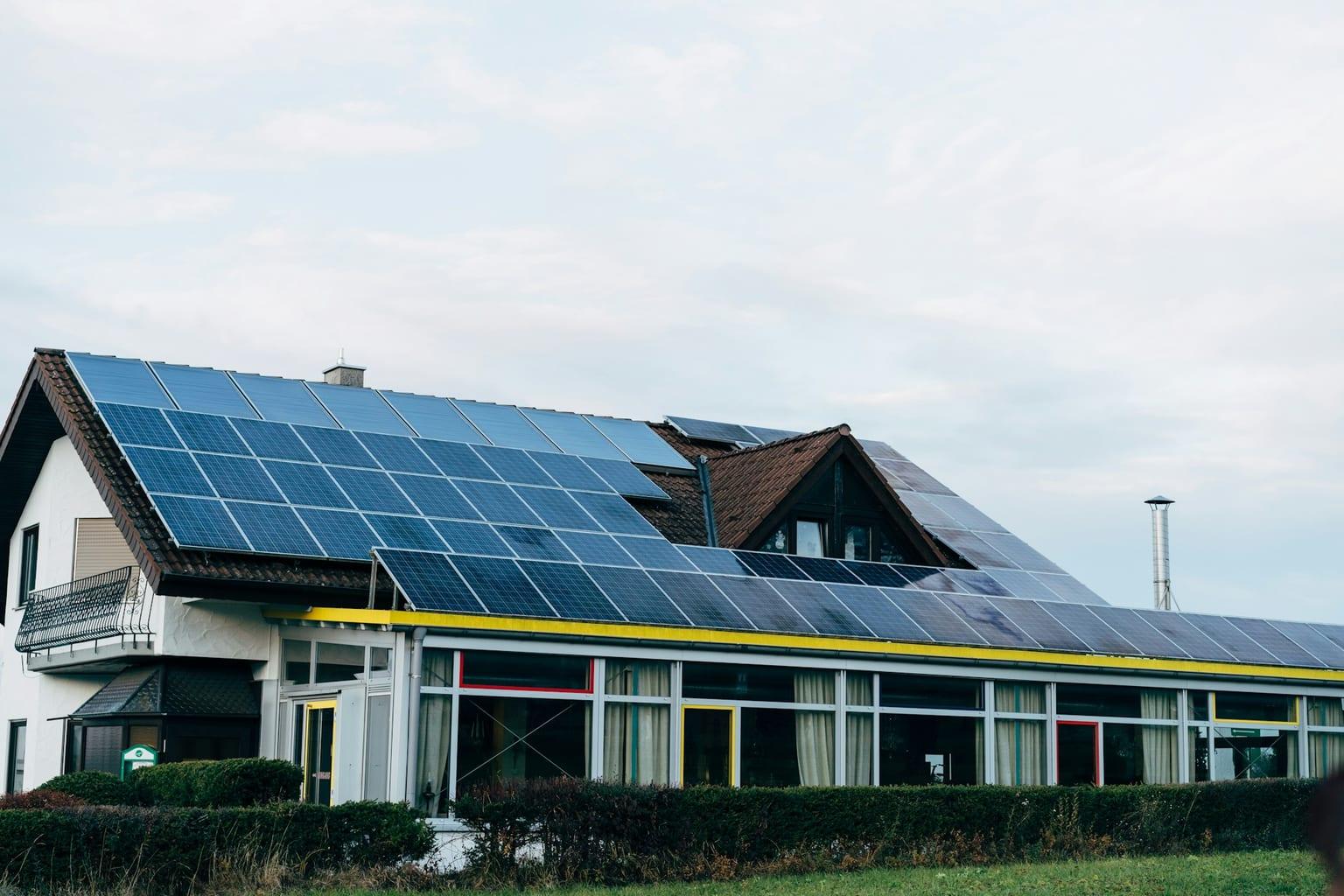
Rooftop solar is common in the Las Vegas area, and for good reason. The valley gets abundant sunshine, and a well-designed system can lower electric bills. But when you buy a house with solar panels, you are not just buying a roof accessory. Depending on how the system was paid for, you may be taking on a contract, a lien, or a monthly payment that continues for years. Solar can be a real benefit, but you need to know exactly what you are inheriting.
The four ways a home can have solar
The word solar on a listing can describe very different arrangements. Everything else you do depends on which one you are looking at.
- Owned outright. The seller paid for the system in full, or paid off a loan. There is no ongoing payment, and the system is generally treated as part of the home, though you should confirm it is included in the sale.
- Financed. The seller borrowed money to buy the system and may still owe a balance. The loan often has to be paid off at closing, or in some cases assumed if the lender allows. Financing may also involve a recorded filing against the property that needs to be released.
- Leased. A solar company owns the panels, and the homeowner pays a monthly lease payment. When the home sells, the lease has to be dealt with. Often the buyer takes over the lease after qualifying with the company, or the seller buys it out before closing.
- Power purchase agreement (PPA). A solar company owns the panels and the homeowner pays for the electricity they produce at an agreed rate. The agreement may include annual rate increases. Like a lease, it usually has to be transferred to the buyer or paid off.
Nevada's Seller's Real Property Disclosure asks whether solar panels are installed and whether they are owned, leased, or financed. Read the answer, then verify it with documents.
What to ask for
Do not rely solely on what is written in the listing. Ask the seller, through your agent, for the actual documents, and ask early, ideally before you write an offer.
- The contract. The lease, PPA, or loan agreement, including all addenda.
- The numbers. The monthly payment, how and when it can change, the remaining term, and the buyout amount.
- The transfer process. Whether the buyer must qualify, what credit approval is required, what it costs, and how long it takes.
- Liens and filings. Any recorded filings against the property, and how they will be released. Your title company can help identify these.
- Warranties. What is covered, for how long, and whether the warranties transfer to a new owner. These typically include the panels, the inverter, workmanship, and the roof penetrations.
- Performance. The system size, installation date, and production history, plus access to the monitoring app and recent electric bills.
- Approvals. Permit sign-offs and the utility's permission to operate the system.
- Net metering details. The date the system was approved with the utility, since that can affect the credit rate.
Nevada law requires residential solar lease and power purchase agreements to describe what options the homeowner has when the property is sold, so these documents should spell out how a transfer works. Read that section closely.
How solar affects your financing
Tell your lender about the solar system at the start. A lease or PPA payment may count toward your monthly obligations when the lender calculates your debt-to-income ratio, depending on the loan program. A financed system's lien must be paid off or handled properly for the title to be clean. Government-backed and conventional loans can each have their own requirements for solar documentation, and a surprise discovered late in the process can delay or even derail a closing.
Appraisals can also treat different systems differently. An owned system may be recognized as a feature of the home, while a leased system or a PPA typically is not counted as an owned asset. Ask your agent and lender how this is likely to play out for a home you are considering.
Net metering and your electric bill
In Southern Nevada, the credit a solar customer receives for excess power sent to the grid depends on net metering rules set by the state. Under the structure adopted in 2017 (Assembly Bill 405), the credit rate stepped down in tiers as the total amount of solar capacity grew, from 95 percent of the retail rate in Tier 1 to 88 and 81 percent in Tiers 2 and 3. The Public Utilities Commission of Nevada says the current Tier 4 rate is 75 percent of the retail rate, with no capacity limit left to trigger another step down, unless the Legislature changes it. Customers who signed up under a given tier keep that rate for 20 years at the location where the system was originally installed. That means the status of a particular system matters, so ask the seller for the system's approval date and confirm the details with the utility and the solar company.
Do not assume your electric bill will match the seller's. Bills depend on how much power a household uses, rates change over time, and your usage may be different. Ask for 12 months of bills, and look at both the high-use summer months and the milder ones.
Other things to think about
- The roof. Panels have to be removed and reinstalled for major roof work, which adds cost. Ask the age and condition of the roof beneath them, and have it inspected.
- The equipment. Inverters and batteries have their own lifespans and warranties.
- Whether the panels stay. Owned panels are generally part of the home, but put the system in your purchase agreement so there is no question that it is included.
- Insurance. Let your insurer know about the system and ask how it is covered.
- The HOA. If you want to add or change a system later and the community has architectural rules, a request process applies. Check the HOA rules early. See Check the HOA Before You Commit.
- Inspection. Ask your inspector what they can and cannot evaluate, and bring in a solar specialist if you want a deeper look. See Never Skip the Home Inspection.
Solar is not good or bad on its own
A paid-off, well-maintained system on a sound roof is a plus for many buyers. A burdensome lease on an aging roof may be a poor trade. Your job is to find out which situation you are looking at before you are committed, and to use what you learn in your offer. If the solar obligation is significant, it can be a reason to negotiate a lower price, ask the seller to pay off or buy out the system, or build in time to review the paperwork. See The Lowest Offer Isn't Always the Best Deal for how terms can change the value of an offer.
If you are looking at a home with solar and want help sorting through the paperwork, we will help you ask the right questions before you decide.
This article is general information, not legal, tax, or financial advice. Laws, rules, and lender guidelines change, so confirm current requirements with your agent, lender, escrow officer, or attorney. The Perna Group is brokered by Lyons Share Real Estate.