Researched guide · Updated · 9 min read
Las Vegas at a glance
- City population
- 641,903 at the 2020 census, the largest city in Nevada
- Metro area
- An estimated 2.4 million residents in the Las Vegas metropolitan area
- Founded
- Settled in 1905 and incorporated as a city in 1911
- City area
- About 135.9 square miles
- Elevation
- About 2,030 feet above sea level; the surrounding mountains exceed 10,000 feet
- Climate
- Hot desert: about 310 sunny days and about 4.2 inches of rain a year
- Visitors
- More than 40 million visitors in 2023
- The Strip
- Outside the city limits, in the unincorporated towns of Paradise and Winchester
- Taxes
- No state personal income tax; Clark County combined sales tax rate of 8.375%
How the Las Vegas Valley is organized
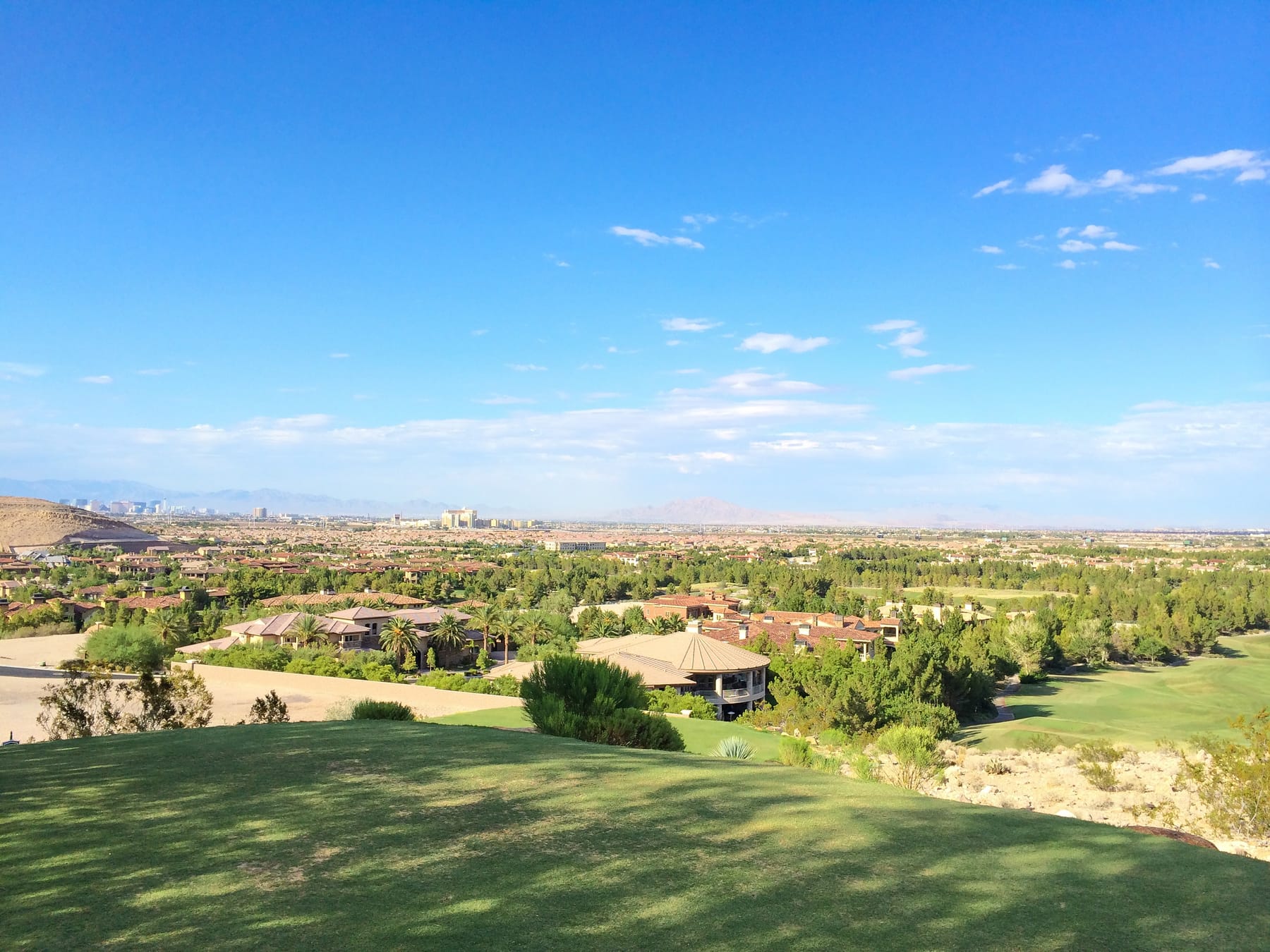
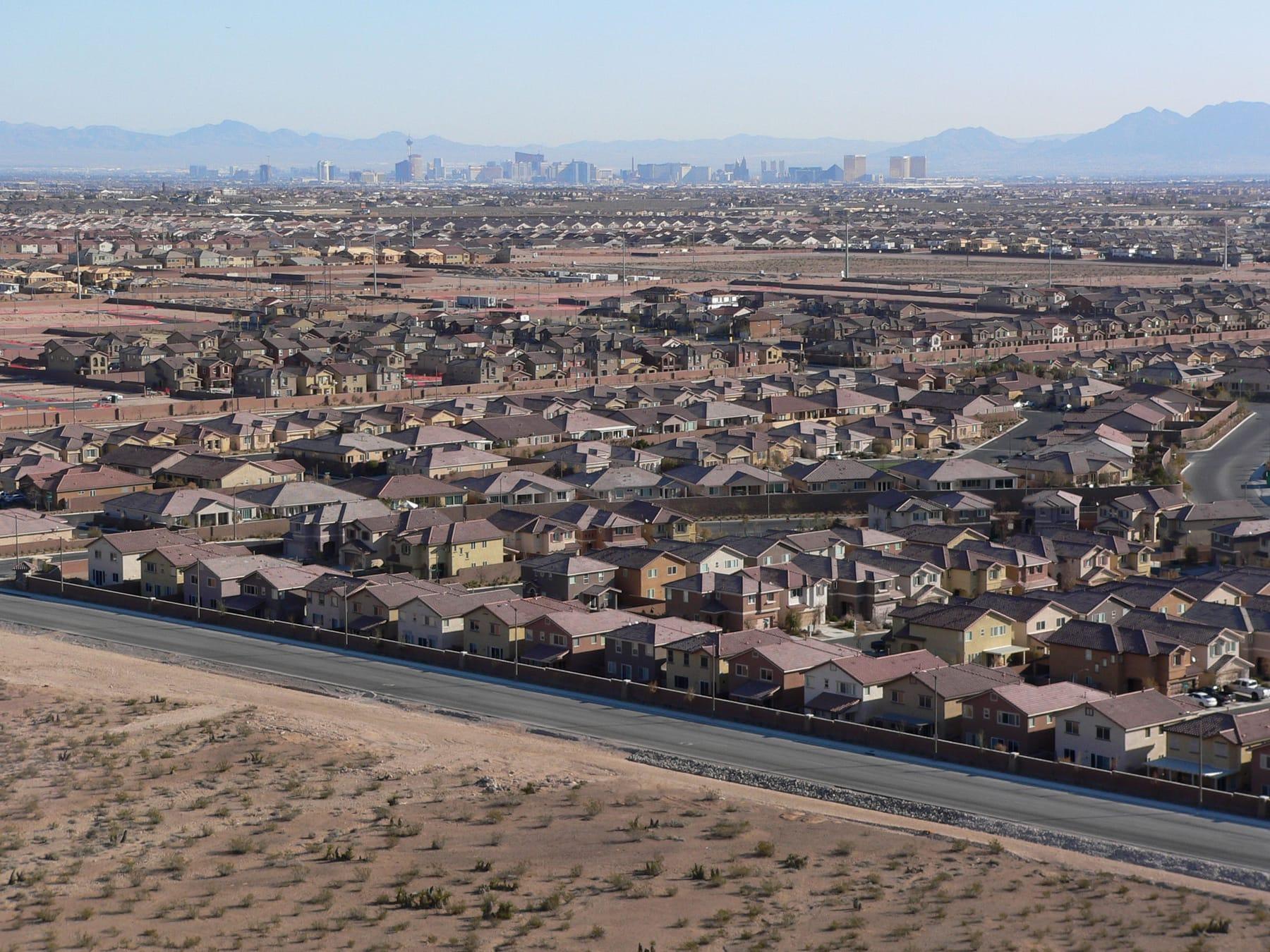
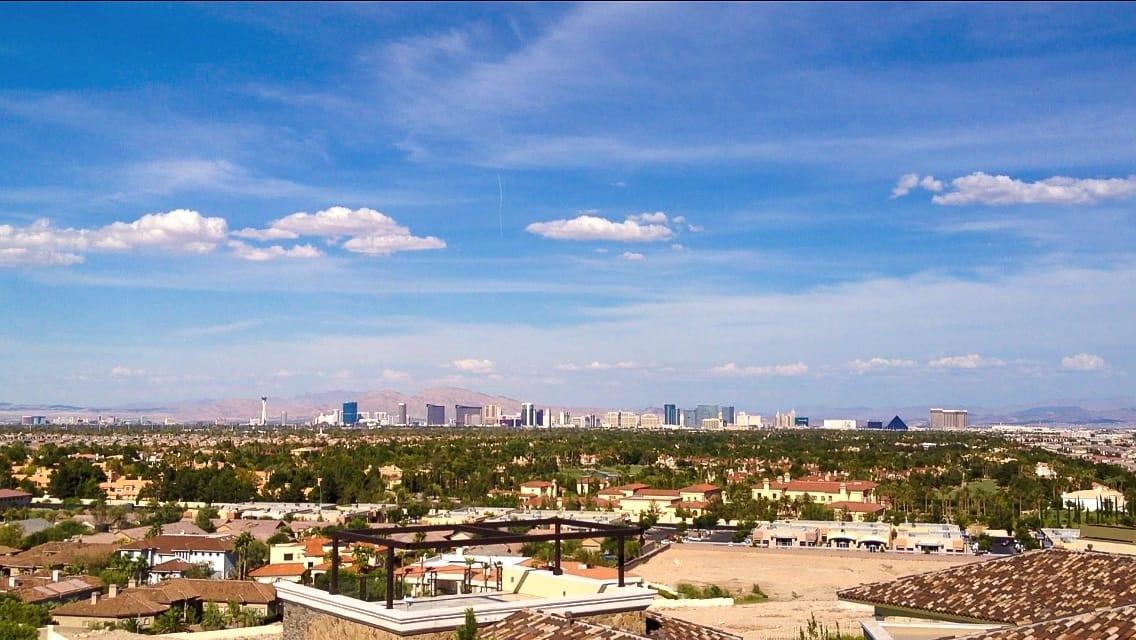
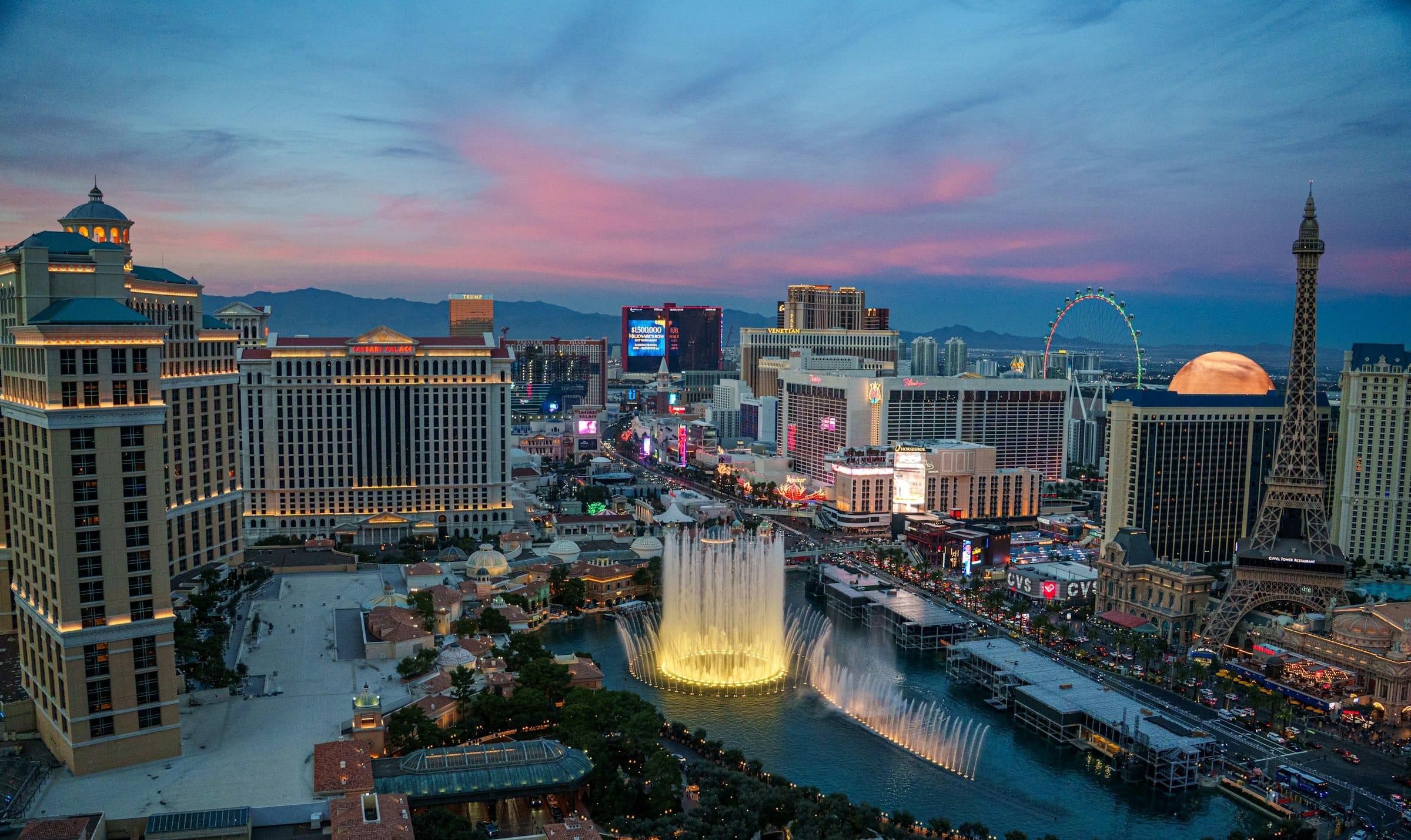
People say "Las Vegas" to mean many different places, and for a home buyer the differences matter. The City of Las Vegas is the largest city in Nevada and the county seat of Clark County. Around and within it are other incorporated cities, including Henderson, North Las Vegas, and Boulder City, and unincorporated towns governed by Clark County, including Paradise, Winchester, Enterprise, Spring Valley, Sunrise Manor, and Whitney. The Las Vegas Strip, with its famous resorts, is actually in Paradise and Winchester and is outside the city limits.
A Las Vegas mailing address can therefore be inside the City of Las Vegas, in unincorporated Clark County, or in a master-planned community with its own association and amenities. That affects which government provides services such as planning and permitting, police, and fire, as well as how local rules apply. It also affects taxes and association costs. We tell you which applies to the exact address you are considering.
A short history of Las Vegas
Native peoples, including the Paiute, used the area's springs and resources long before settlers arrived. The city was founded in 1905 when 110 acres of land next to the Union Pacific railroad were auctioned, and it was incorporated in 1911. The construction of Hoover Dam in the 1930s, the legalization of gambling in 1931, and the opening of large resorts from the 1940s and 1950s began its rise as an entertainment destination.
Population growth accelerated from the 1960s onward. The city had about 64,000 residents in 1960, about 258,000 in 1990, and about 642,000 at the 2020 census. Between 1990 and 2000 alone, its population grew by about 85 percent. The Fremont Street Experience opened downtown in 1995, and in recent years the valley has added major sports and entertainment venues.
Neighborhoods and communities buyers ask about
The valley has hundreds of neighborhoods. These are the names that come up most often. Summerlin and Henderson have their own pages with much more detail.
Southern Highlands
Southern Highlands is a master-planned community of about 2,299 acres in the southern valley, in the unincorporated town of Enterprise. It is centered on the private Southern Highlands Golf Club, which opened in April 2000, and is generally bounded by Interstate 15 on the east, West Cactus Avenue on the north, South Jones Boulevard on the west, and Larson Lane on the south. The community has its own security patrol, retail centers, parks, and the Olympia Sports Park, which opened in 2018. Read our Southern Highlands guide.
Mountain's Edge
Mountain's Edge is a master-planned community in southwest Enterprise. Construction began in 2004, with plans for about 14,500 homes in more than 22 neighborhoods plus shopping and offices. It was the top-selling master-planned community in the United States for two consecutive years beginning in 2007. By the end of 2025, about 12,500 homes and four parks had been built, with more parks, a community center, and a magnet high school planned. Read our Mountain's Edge guide.
Centennial Hills, Providence, and the northwest
Centennial Hills is a large area of northwest Las Vegas, bordered by Tule Springs Fossil Beds National Monument to the north and Red Rock Canyon National Conservation Area and the Summerlin area to the west and south. The name was chosen in a contest in 2001. It is centered on the Interstate 11/US 95 and Beltway interchange, includes Centennial Hills Park and Centennial Hills Hospital (opened 2008), and is close to Floyd Lamb Park at Tule Springs. Nearby communities such as Providence and Skye Canyon add newer master-planned options. Read our Centennial Hills guide.
Peccole Ranch, Queensridge, and the west-central valley
West of downtown and east of Summerlin are established neighborhoods such as Peccole Ranch and Queensridge (which includes the One Queensridge Place towers), along with Angel Park, Canyon Gate, and Desert Shores. These areas sit between the Strip and Summerlin and are known for their mix of established homes, golf, and access to the Beltway and US 95.
Downtown, the Arts District, and Rancho
The urban core includes Downtown Las Vegas, the Fremont Street Experience, the Fremont East entertainment district, and the Arts District, where galleries and shops host the monthly First Friday event. Nearby are older neighborhoods such as the Scotch 80s and Rancho Circle, as well as condominium and high-rise options. Symphony Park downtown is home to the Smith Center for the Performing Arts, and the Mob Museum, the Neon Museum, and the Discovery Children's Museum are in or near the downtown area.
Spring Valley, Rhodes Ranch, and the southwest
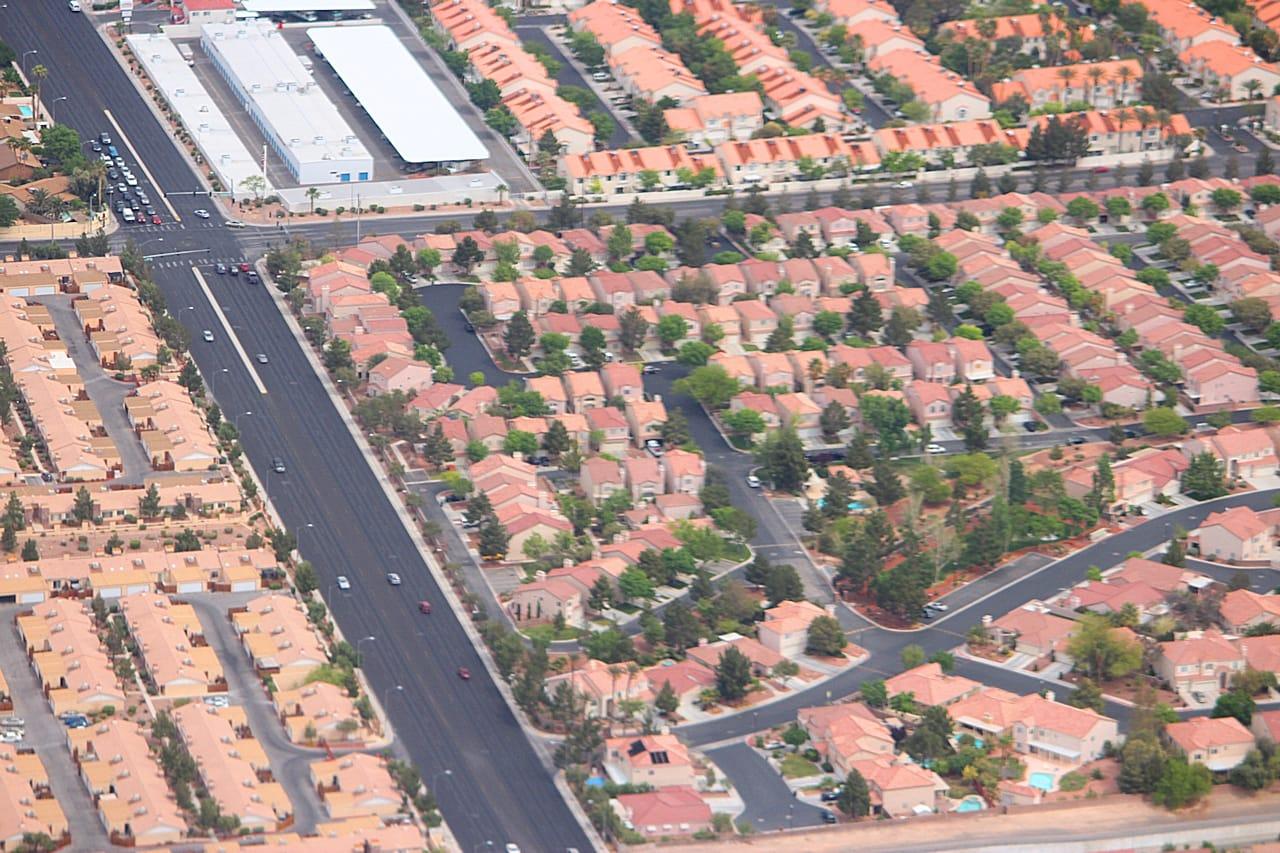
Spring Valley and Enterprise cover a large part of the southwest valley, including communities such as Rhodes Ranch and Mountain's Edge. These areas are known for a mix of newer single-family homes, community parks, and access to I-15 and the Beltway. Because much of the area is unincorporated Clark County, it has Clark County government rather than City of Las Vegas government. Read our Rhodes Ranch guide.
Silverado Ranch
Silverado Ranch is in the south valley and is where Joshua Nickelsen currently has four reduced-price investment properties available with seller financing. See our Listings page for details.
Lifestyle: culture, sports, and entertainment
Las Vegas is best known for its resorts, but residents also use the valley for a wide range of activities. The city's museums include the Neon Museum, the Mob Museum, the Las Vegas Natural History Museum, the Discovery Children's Museum, the Nevada State Museum, and the Old Las Vegas Mormon Fort State Historic Park. The Smith Center for the Performing Arts hosts Broadway shows and other performances, and the Arts District is known for its galleries and monthly First Friday event.
The valley is a major sports market:
- Las Vegas Raiders (NFL), who play at Allegiant Stadium, which holds about 65,000 fans
- Vegas Golden Knights (NHL), who play at T-Mobile Arena
- Las Vegas Aces (WNBA), who play at the Mandalay Bay Events Center
- Las Vegas Aviators (Triple-A baseball) at Las Vegas Ballpark in Summerlin, with Major League Baseball's Athletics scheduled to move to Las Vegas by 2028
- The Formula 1 Las Vegas Grand Prix, held on the Strip since 2023, and NASCAR races at Las Vegas Motor Speedway
Outdoor recreation
The valley is surrounded by mountain ranges and public land, and most residents are within a short drive of open desert. Red Rock Canyon National Conservation Area, west of the valley, offers hiking, climbing, and a scenic loop. The Spring Mountains and Mount Charleston to the northwest are much cooler than the valley floor and have trails and, in winter, snow. Tule Springs Fossil Beds National Monument and Floyd Lamb Park are in the northwest, and Lake Mead National Recreation Area and Hoover Dam are to the southeast. The River Mountains Loop Trail, a paved trail of about 34 miles, connects Henderson, Boulder City, Hoover Dam, and Lake Mead.
Climate and desert living
Las Vegas has a hot desert climate. The area averages about 310 sunny days a year and only about 4.2 inches of rain, and humidity is often very low. July is the hottest month with an average high of about 104.5 degrees. On average, 137 days a year reach or exceed 90 degrees, 78 days reach 100, and about 10 days reach 110; the official all-time high is 120 degrees, recorded in July 2024. Summer nights often stay above 80 degrees. Winters are short and mild during the day, the average December high is about 57 degrees, and the city sees freezing temperatures on about 10 nights a winter. Snow in the city is rare. The late-summer monsoon can bring thunderstorms and flash floods, and the valley has extensive flood-control systems.
For a homebuyer, that means paying attention to the air conditioning systems, roof, windows, insulation, pool equipment, irrigation, and any solar system. See our articles on inspections and solar for more detail.
Water and landscaping
Southern Nevada gets most of its water from the Colorado River through Lake Mead, and it has built one of the most comprehensive conservation programs in the country since a historic drought began in the early 2000s. The Southern Nevada Water Authority and its member agencies, including the Las Vegas Valley Water District, set mandatory seasonal watering schedules:
- November through February: one assigned watering day per week
- March and April: three assigned days per week
- May through August: any day except Sunday, and no sprinkler irrigation between 11 a.m. and 7 p.m.
- September and October: three assigned days per week
- Sprinkler watering on Sundays is prohibited in every season
Turf rules and rebates
A 2021 state law, Assembly Bill 356, prohibits using Colorado River water to irrigate nonfunctional turf beginning January 1, 2027, on properties that are not zoned exclusively for single-family residences. This includes certain HOA-managed landscape areas. It does not apply to the grass in a single-family home's own front or back yard, and the water authority offers rebates for homeowners who voluntarily convert grass to desert-friendly landscaping. Ask about the landscape plan and any assessments for any HOA community you are considering.
Getting around
The valley is built around its freeways: Interstate 15 runs north and south past the Strip, Interstate 11 and US 95 serve the central and northwest valley, the Las Vegas Beltway (CC 215) loops the valley, and Summerlin Parkway (SR 613) connects Summerlin to US 95. Major east-west roads include Charleston Boulevard, Sahara Avenue, Cheyenne Avenue, and Lake Mead Boulevard. Harry Reid International Airport handles domestic and international flights, and general aviation uses North Las Vegas Airport and Henderson Executive Airport.
RTC Transit runs bus service throughout the valley, including the Strip and Downtown Express. A high-speed rail project, Brightline West, began construction in 2024 to connect Las Vegas with Rancho Cucamonga in the Los Angeles area; check current status before planning around it. Because the valley is spread out, where you live relative to your work, the freeway on-ramps, and the airport will shape your daily life, so test the commute at the hours you would actually drive.
Taxes, HOAs, and costs of ownership
Nevada does not levy a state personal income tax, and the combined sales tax rate in Clark County is 8.375%. For owner-occupied single-family homes, Nevada's property tax abatement limits the yearly increase in the tax bill to 3% over the prior year's tax. A real property transfer tax of $2.55 per $500 of value is collected by the Clark County Recorder when a deed is recorded. These are set by statute and can change, and we are not tax advisors, so confirm your own numbers with a tax professional.
Many Las Vegas neighborhoods have HOAs, and the dues, rules, reserves, and any special improvement district assessments vary widely. Nevada gives buyers a limited window to review the resale package, and we go through it with you.
Buying in Las Vegas with The Perna Group
Because the valley is so varied, the most helpful first step is a conversation about how you want to live. We then narrow the area to a short list of neighborhoods and compare them honestly.
- We help you decide between the City of Las Vegas, Henderson, and unincorporated communities, and explain the differences in services and costs.
- We review HOA documents, special assessments, and community rules for every home you seriously consider.
- We check desert-specific issues such as roofs, air conditioning, pool equipment, solar contracts, and landscaping.
- We compare recent nearby sales so you know whether an asking price is supported.
- For new construction, we represent you from your first visit with the builder.
- If you are moving from out of state, we coordinate virtual tours and remote signing.
Selling your Las Vegas home
Buyers compare homes within the same neighborhood and price range, so we price from true comparable sales near you, not valley-wide averages. We take your lot, views, upgrades, condition, and association costs into account, and we look at the competing homes buyers can choose.
Nevada requires sellers of residential property to complete the Seller's Real Property Disclosure form and provide it to the buyer at least 10 days before close of escrow, and the seller, not the agent, completes it. We help you prepare the home, gather HOA documents early, and plan photography and marketing. Request a home value estimate to get started.
Sources and further reading
- Las Vegas (Wikipedia)
- Las Vegas Valley (Wikipedia)
- Southern Highlands, Nevada (Wikipedia)
- Mountain's Edge, Nevada (Wikipedia)
- Centennial Hills, Las Vegas (Wikipedia)
- River Mountains Loop Trail (National Park Service)
- Southern Nevada Water Authority: watering restrictions
- Southern Nevada Water Authority: laws and ordinances (AB 356)
- Nevada Department of Taxation: property tax elements (tax cap)
- Nevada Department of Taxation: Clark County sales tax rate sheet
- Clark County Recorder: real property transfer tax
- Nevada Real Estate Division: Residential Disclosure Guide
This guide was researched from the public sources above and was last updated . Community details, rules, fees, and tax rates change, so please confirm anything important with the official source or with us before you rely on it. It is general information, not legal, tax, or financial advice. The Perna Group is brokered by Lyons Share Real Estate.