
By The Perna Group · · 5 min read

Key takeaways
- Paint, flooring, and light fixtures are relatively easy and affordable to change.
- Location, lot size, floor plan, street traffic, and what is behind the backyard are much harder, or impossible, to change.
- Do not let ugly carpet make you overlook a great house, and do not let beautiful staging distract you from a bad location.
- Fresh paint can also hide problems, so look closely at what it covers.
Walk through enough open houses and you will notice that first impressions are driven by surfaces: wall color, flooring, lighting, and furniture. It is human nature, and it is also how homes are marketed. But surfaces are the cheapest and easiest part of a home to change. The things that will shape your daily life for as long as you live there, and the things that will matter when you sell, are mostly the things no weekend project can fix.
What is easy to change
These features can be updated for a manageable cost and in a reasonable amount of time, and they should rarely be the reason you pass on a home:
- Paint, inside and out.
- Carpet, vinyl, laminate, and other flooring.
- Light fixtures, ceiling fans, and switch plates.
- Cabinet hardware, faucets, and mirrors.
- Window coverings.
- Landscaping design, plant choices, and rock or gravel.
- Kitchen backsplashes and, at greater cost, cabinet refacing and countertops.
A dated home often sells for less than a freshly updated one, so a willingness to look past the cosmetics can be an opportunity. The smart way to use it is to price the work before you make an offer. Get quotes for the projects you care about most, and decide what you would do in the first year versus later. If you plan to finance improvements, ask your lender about renovation loan programs, such as the FHA 203(k) and Fannie Mae HomeStyle programs, and whether they fit your situation.
What is hard or impossible to change
These are the features to study carefully before you fall in love with a home:
- Location. Your commute, your distance to the things you use every day, and the character of the surrounding streets are fixed.
- Lot size, shape, and orientation. You cannot add square footage to a lot. In Las Vegas, a west-facing backyard gets strong afternoon sun, which affects how usable the space is and how hard the air conditioner works.
- Floor plan. Walls can be moved, but doing so is expensive, may require permits, and is limited by structure. The number and placement of bedrooms, the flow between rooms, and stairs are largely locked in.
- Street traffic and noise. A home on a busy road or a cut-through street will always have that traffic, no matter how nice the kitchen is.
- What is behind the backyard. A neighbor's yard, a wall, open space, a commercial property, a major road, power lines, or a drainage channel each create a different daily experience.
- Flight paths. Parts of the valley sit under approach and departure paths. The Clark County Department of Aviation publishes noise maps and flight track information for real estate professionals.
- Privacy and views. Two-story neighbors who overlook your yard, or a view that could be blocked by future construction, cannot be fixed with landscaping.
- Flood zone and drainage. Flood zones are mapped by FEMA, and the Clark County Regional Flood Control District provides tools to check a property. Standard homeowners insurance does not cover flood damage, and flood insurance is generally required for properties in a Special Flood Hazard Area when the loan is federally backed.
- The community. HOA rules and fees come with the property, and so does the condition of the neighborhood around it.
How to evaluate what you cannot change
- Visit at different times of day. A quiet street at noon can be a different place at rush hour, on a weekend evening, or at night.
- Stand in the backyard and listen. Traffic, aircraft, neighbors, and mechanical noise are easy to miss inside a closed house.
- Walk the street and the blocks around it. Look at how neighbors maintain their properties and what is nearby.
- Note the sun. Check which rooms and outdoor areas get the afternoon sun and where shade is available.
- Drive the commute. Do it at the hours you would actually travel.
- Look at what could change. If there is vacant land nearby, ask the city or county planning department what is zoned or planned for it.
- Check the flood zone and flight path. Use the public maps rather than relying on assumptions.
- Research the HOA. See Check the HOA Before You Commit.
When staging works against you
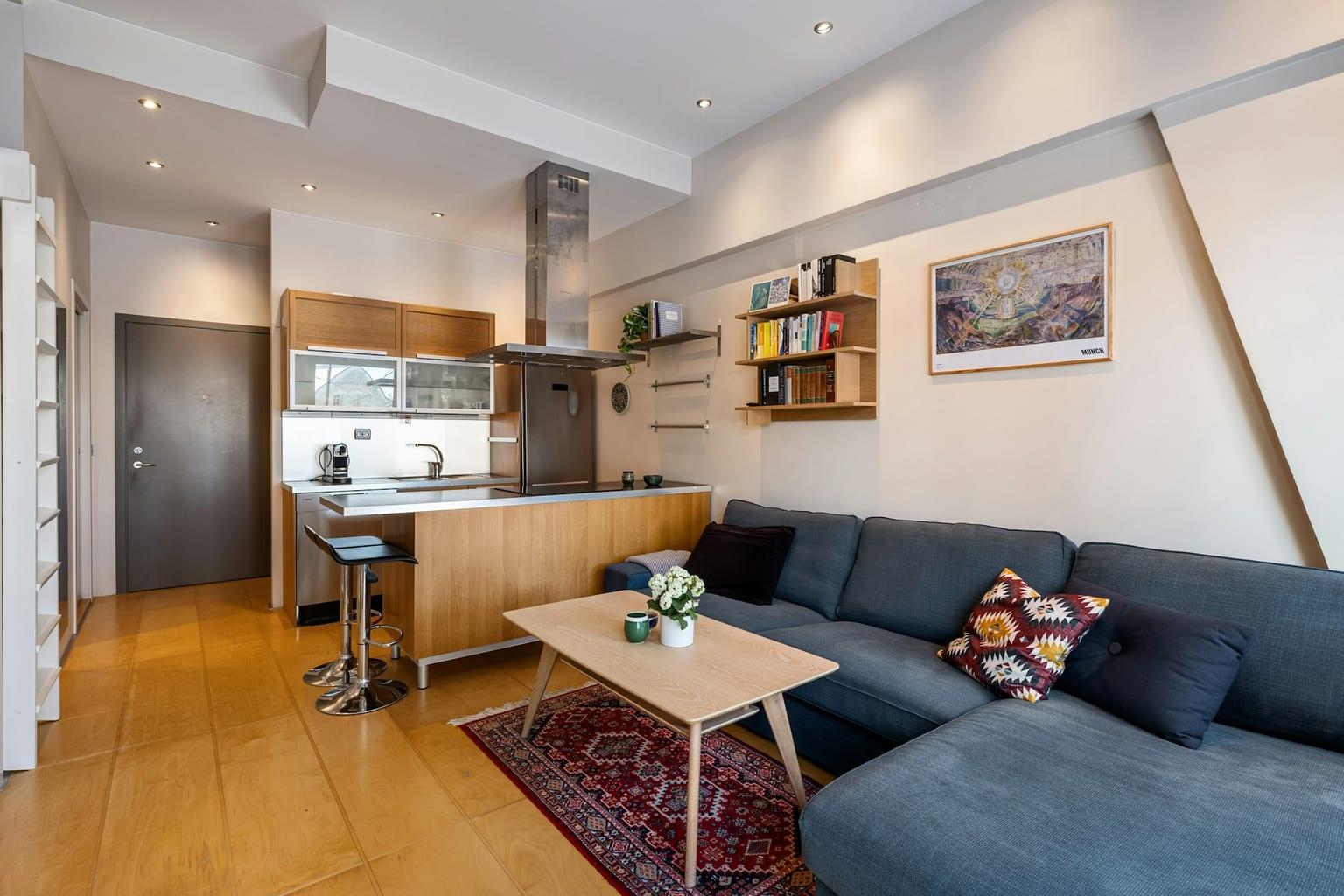
Staging exists to make a home look its best, and it works. Neutral colors, carefully chosen furniture, and good lighting can make rooms feel larger and hide awkward layouts. That is not a reason to distrust staged homes. It is a reason to look past the styling.
- Measure the rooms and imagine your own furniture in them.
- Check the closets, cabinets, and storage, not just the finishes.
- Notice what comes with the home and what is just staging furniture and decor.
- Look at the layout and flow, not only the photos.
Look past the paint, but look at what it covers
There is a flip side. Fresh paint is not a flaw, but it can sometimes cover problems. Watch for patches, stains, bubbling, cracks, uneven textures, or a musty smell. These can be signs of water intrusion or past damage that deserves a closer look. Your inspector can help you sort cosmetic from serious. See Never Skip the Home Inspection.
Also ask about past remodels. Kitchen and bath updates, additions, garage conversions, and patio covers generally require permits, and unpermitted work can create problems with insurance, financing, and resale. Your agent can help you ask the right questions and find out what permits were pulled.
A simple way to compare
Imagine two homes at similar prices. One has been freshly renovated, but it faces a busy road and has a small, shaded-out lot. The other is dated, with worn carpet and old light fixtures, but it sits on a quiet street with a good lot and a clear view. A few weekends and a modest budget can transform the second home. Nothing can transform the first home's location. When you view homes this way, the better long-term choice is often the one with the strongest fundamentals.
The features you cannot change are also the ones future buyers will notice when you sell. We talk about that in Think About Resale Before You Buy. If you would like help evaluating the homes on your list, we are happy to help.
This article is general information, not legal, tax, or financial advice. Laws, rules, and lender guidelines change, so confirm current requirements with your agent, lender, escrow officer, or attorney. The Perna Group is brokered by Lyons Share Real Estate.