
By The Perna Group · · 5 min read

Key takeaways
- Even if you plan to stay for years, jobs, families, and health can change your plans.
- Future buyers notice location, a functional floor plan, parking, the lot, major roadways, unusual features, and overall condition.
- Buy for yourself, but understand what you are buying.
- A feature that is a drawback is not necessarily a deal-breaker, but it should be reflected in the price and be one you can live with.
When you find a home you love, the last thing you want to think about is selling it. But life has a habit of changing the plan. A new job, a growing family, a health need, or a different stage of life can move your timeline up, even if you bought intending to stay for decades. A home that was easy to buy is not always easy to sell, and the difference often comes down to features you could have spotted on day one. Thinking about resale is not about being pessimistic. It is about making a choice you will be comfortable with whatever the future holds.
Buy for yourself, but understand what you are buying
You should buy a home that suits your life. A home that does not work for you, even if it has strong resale appeal, is not a good choice. The goal is balance. Know which features of a home are likely to appeal to many future buyers and which will narrow the pool, and decide whether the trade-offs make sense for you. It is fine to buy a home with a quirk you love. It is smart to know that it is a quirk, and to price it and plan for it accordingly.
What future buyers are likely to notice
Location within the neighborhood
Two similar homes on the same block or in the same community can sell differently because of exactly where they sit. Buyers often react to homes that:
- Face or back to a busy street or major roadway.
- Back to commercial property, apartments, power lines, or a drainage channel.
- Sit under airport approach or departure paths.
- Are close to a freeway, railroad, or other noise sources.
Conversely, quiet interior streets, cul-de-sacs, parks, open space, and attractive views are features many buyers look for. None of this makes a busy-street home a bad purchase. It just means the location is a factor you can see now and a future buyer will see later.
A functional floor plan
Square footage matters less than how it is arranged. Buyers tend to respond to layouts that flow well, have bedrooms where they expect them, and make good use of space. Awkward layouts, bedrooms accessed only through other rooms, or an unusual number of stairs can narrow your pool of future buyers. Think about how the home would work for people at different stages of life, not only yours.
Parking and garage space
How many vehicles fit, whether the garage is usable, and whether there is room for guests, a boat, or an RV all matter. If extra parking or storage is part of your plan, confirm that the HOA permits it. See Check the HOA Before You Commit.
The lot
Lot size, shape, privacy, and orientation shape how a property lives. In Las Vegas, the direction a backyard faces affects sun and shade. Buyers also respond to usable outdoor space and to what is behind the yard. A pool appeals to some buyers and puts off others who do not want the maintenance and cost, so weigh it honestly. See Look Past the Paint for more on features you cannot change.
Major roadways, flood zones, and flight paths
Proximity to busy roads and aircraft noise, and whether a home is in a mapped flood zone, are issues the standard Las Vegas-area purchase agreement specifically asks buyers to investigate during due diligence. The Clark County Department of Aviation publishes noise maps, and the Clark County Regional Flood Control District offers flood zone tools. Future buyers will do the same research. If an issue worries you, it will probably worry them.
Unusual features
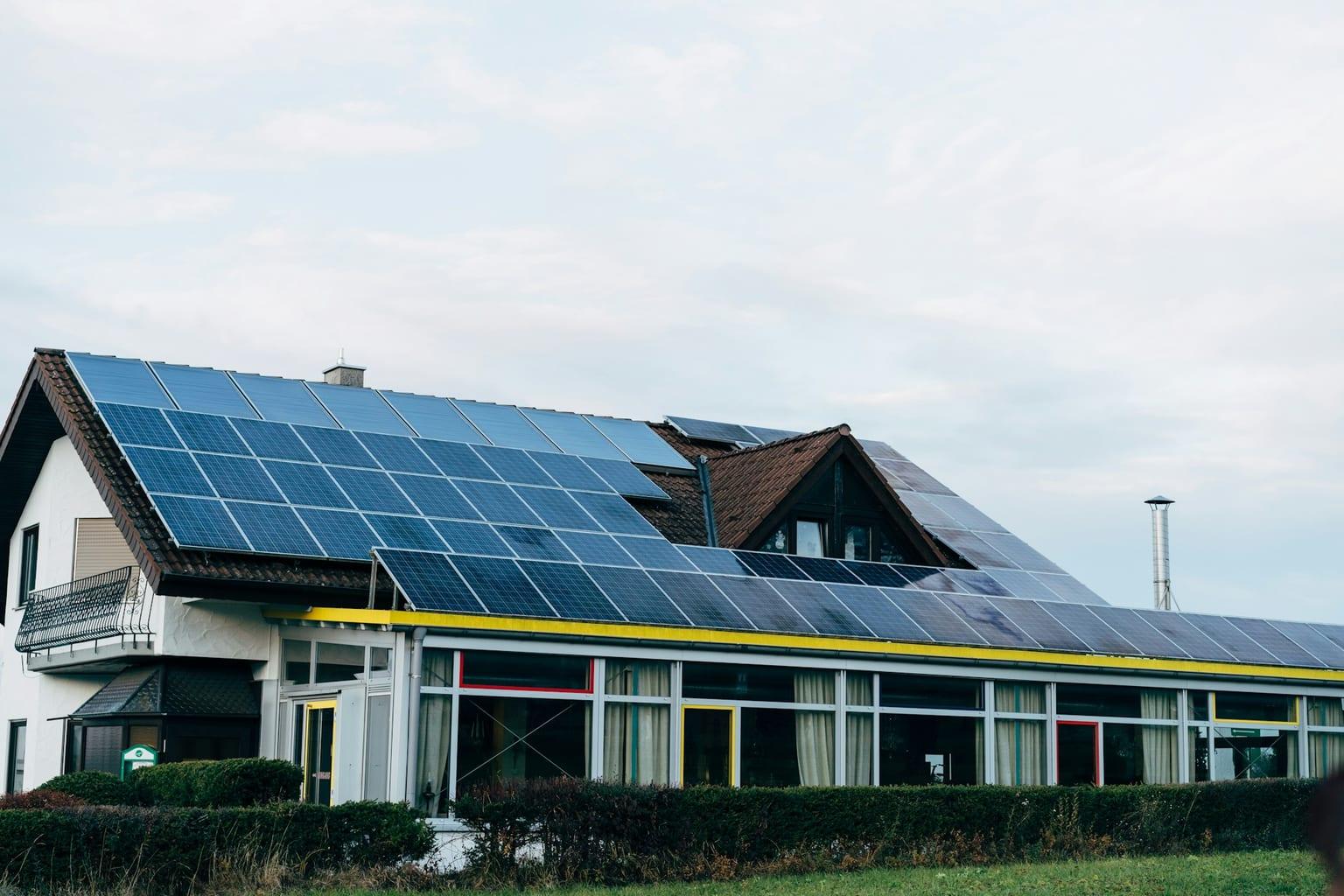
Unconventional features can be charming or limiting. Examples include a converted garage, an addition without permits, an unusual exterior, a very small or very large lot for the area, a home that needs extraordinary maintenance, or a solar system with a lease or financing. The more specialized a feature, the smaller the group of buyers who want it. Ask about permits for any work, and for solar, see Understand the Solar Before Buying the House.
Overall condition
Deferred maintenance, aging major systems, and signs of past problems all affect what a future buyer will pay and what an inspector will find. A home you maintain well and keep records for will present better when it is time to sell.
The community
If the home is in an HOA, the association's finances, rules, and reputation travel with the property. High dues, special assessments, strict rules, or a financially troubled association can affect buyers' interest and sometimes their ability to get financing. A well-run community can be a selling point. If the home sits in a special improvement district, ask for the amount and the remaining term of the assessment, because a future buyer will.
How to evaluate resale potential
- Ask your agent about comparable sales. Which similar homes sold quickly? Which sat? What did the buyers seem to value?
- Look at how long homes stay on the market in the specific neighborhood, not just the city.
- Imagine the buyer after you. Would a family, a downsizer, or a first-time buyer be drawn to this layout and location?
- Be honest about your own flexibility. If you are likely to stay a long time and the home is a great fit, a quirk may not matter. If you might move in a few years, weigh it more.
- Weigh the price against the trade-offs. A home with a drawback should reflect it in the price. A drawback that is priced in can still be a good purchase.
Resale is local
In the Las Vegas Valley, resale is decided neighborhood by neighborhood, not city by city. Buyers in Summerlin tend to compare homes village by village, and in Henderson community by community, so a home is judged against the homes nearby, not against a citywide average. That is why comparable sales from the same area matter more than a headline number. Our guides to Summerlin, Henderson, and the wider Las Vegas valley describe how those communities differ.
A drawback is not a deal-breaker
Do not take this list as a reason to pass on every imperfect home. Almost every property has something. The point is to see the trade-offs clearly, so that you pay a fair price for what you are getting and avoid surprises later. We explain how to balance your priorities in Don't Wait for the Perfect House.
Keep your options open
After you buy, you can protect your future flexibility by keeping up with maintenance, keeping records and receipts, getting permits for work, and staying informed about your neighborhood. If you are thinking about a home and want an honest read on how it might fare when it is time to sell, we are happy to talk it through with you.
This article is general information, not legal, tax, or financial advice. Laws, rules, and lender guidelines change, so confirm current requirements with your agent, lender, escrow officer, or attorney. The Perna Group is brokered by Lyons Share Real Estate.