By The Perna Group · · 6 min read
Key takeaways
- For most buyers, the listing photos are the first showing, and buyers rate photos as the most useful part of an online listing.
- Dark rooms, cluttered counters, closed blinds, and quick phone photos can make a perfectly good home look smaller, older, and less appealing.
- Preparation plus professional photography highlights what buyers should notice: the light, the backyard, the kitchen, the views, and the entertaining space.
- The goal is accuracy, not illusion. The photos should make sure the online presentation does not undersell the home.
Dark rooms, cluttered counters, closed blinds, and quick cell phone photos can make a perfectly good home look smaller, older, and less appealing than it actually is. Most sellers would never choose to present their home that way in person. Online, it happens all the time.
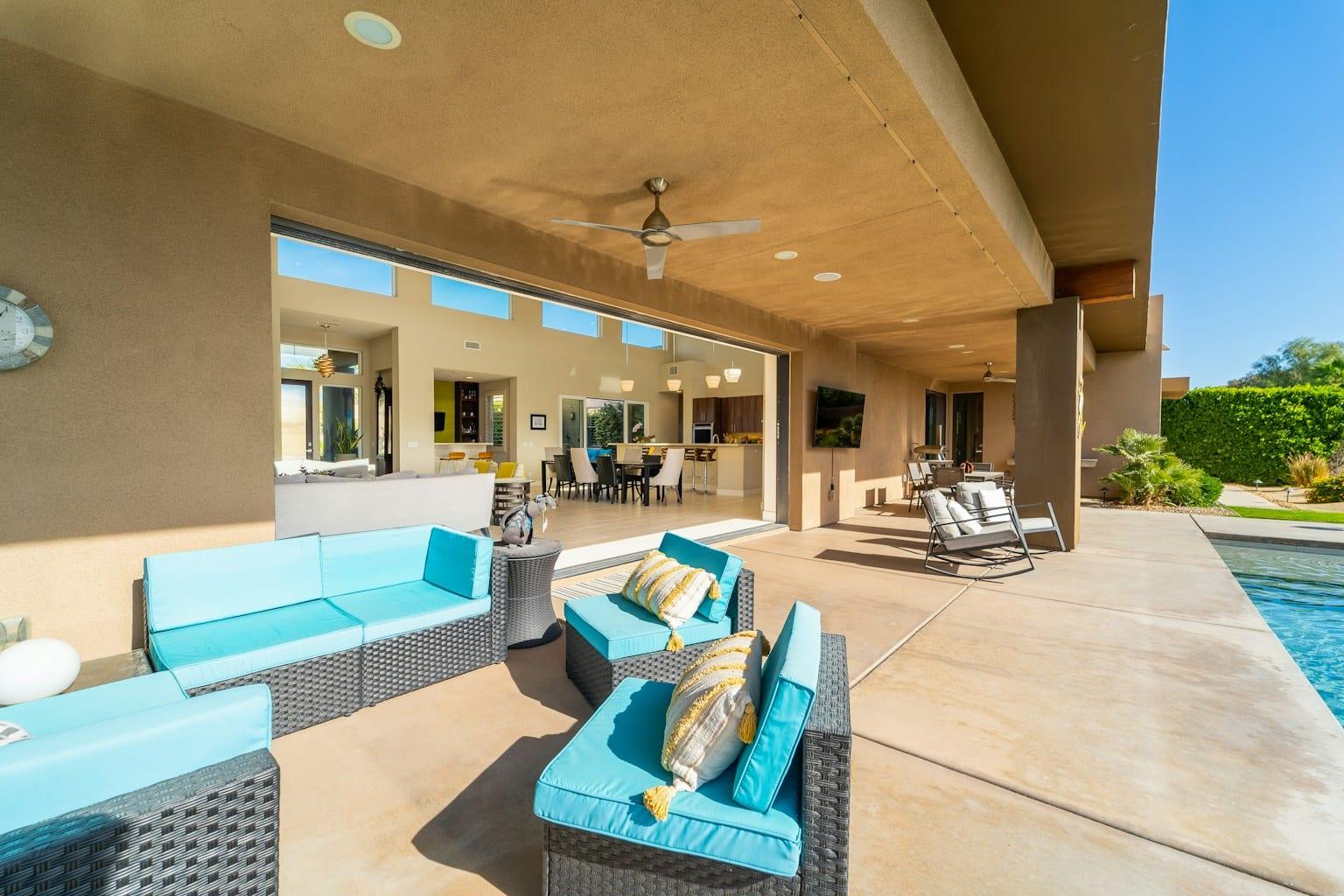
On the other hand, good preparation and professional photography can highlight what buyers should notice: the natural light, the backyard, the kitchen, the views, the entertaining space, or the way the home actually lives. The goal is not to make the property look like something it is not. It is to make sure the online presentation does not undersell what it actually is.
What the research says about photos
The numbers are consistent. In the National Association of REALTORS 2025 Profile of Home Buyers and Sellers, 81 percent of buyers rated photos very useful in their home search, ahead of detailed property information (77 percent) and floor plans (57 percent). Nearly all buyers use the internet in their search, and 70 percent use a phone or tablet, so your photos are often viewed on a small screen where details and light matter even more.
NAR's 2025 Profile of Home Staging asked agents which marketing elements their clients value most. Photos came out on top. Eighty-eight percent of sellers' agents and 73 percent of buyers' agents said having photos in a listing was much more or more important to their clients, ahead of video and physical staging.
How a quick photo undersells a home
A phone snapshot taken in a hurry tends to share the same problems, and buyers notice them even when they cannot say why:
- Dark or uneven light. Rooms look smaller and dingier, and windows turn into bright white rectangles that hide the view.
- Clutter. Crowded counters, stacked mail, and a full refrigerator door draw the eye away from the home itself.
- Closed blinds. The room loses its natural light, which is one of the first things buyers want to see.
- Distorted angles. Tilted walls and warped lines make rooms look odd or smaller.
- Distractions. Cars in the driveway, trash cans, laundry, pet bowls, and personal photos.
- Too few photos. Missing rooms make buyers wonder what is being left out.
Prepare the home before the photographer arrives
Even the best photographer can only photograph what is there. A little preparation goes a long way, and most of it costs nothing but time:
- Clear the counters. Leave a few simple items at most. Move small appliances, dish racks, and mail out of sight.
- Tidy every room. Make the beds, put away toys and laundry, and straighten cords and remotes.
- Put away personal items. Family photos, refrigerator magnets, and collections make it harder for buyers to picture themselves in the home.
- Hide the everyday mess. Pet bowls and beds, trash cans, toiletries, and towels. Close toilet lids.
- Clean the windows and let in the light. Open the blinds, turn on every light, and make sure the bulbs are working and match each other.
- Turn off the TV and the ceiling fans. Screens reflect, and spinning fans blur.
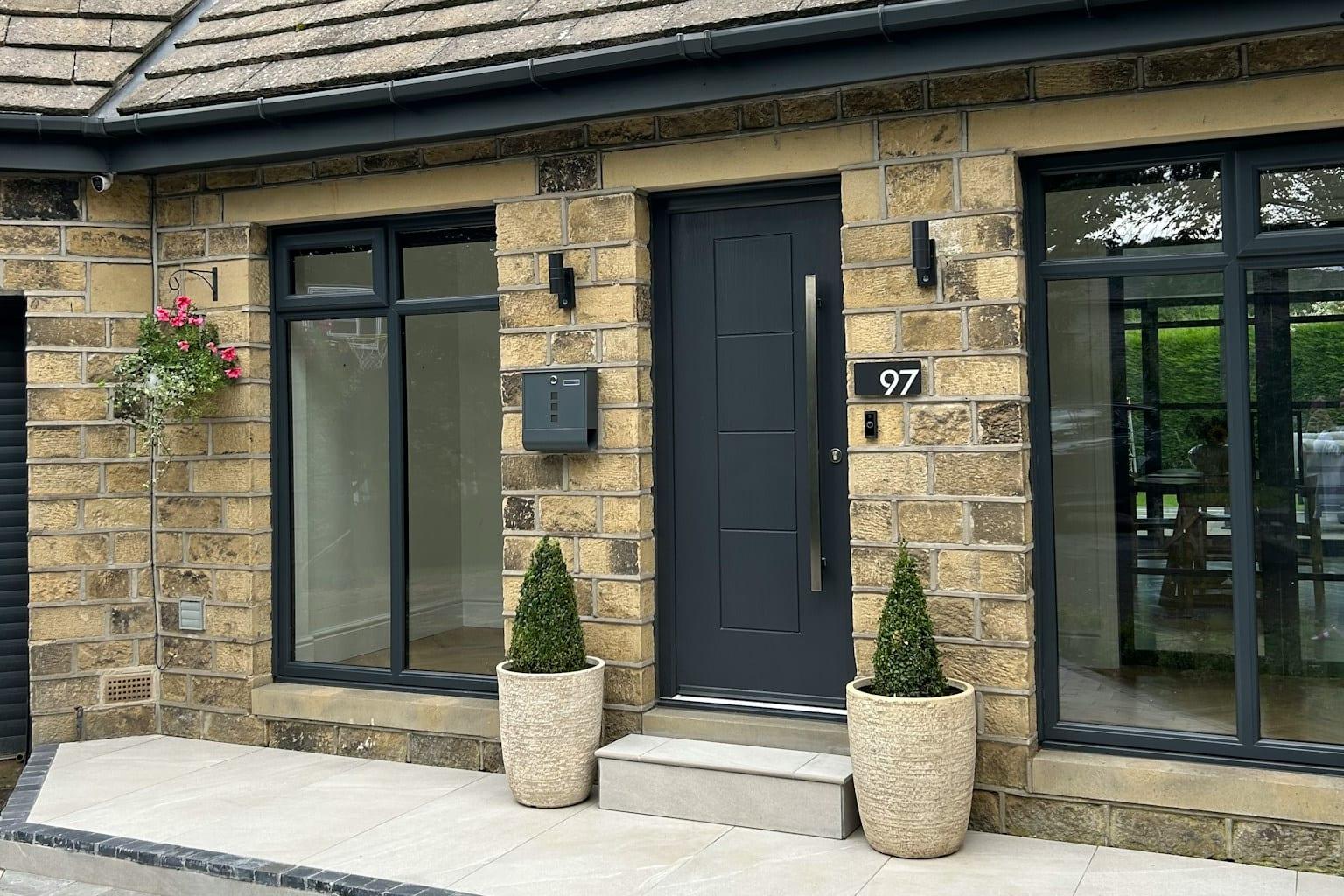
- Tidy the outside. Rake the gravel, trim plants, sweep the entry and patio, remove hoses and toys, and move cars from the driveway and the street in front of the house.
- Get the pool ready. In Las Vegas many buyers look for the pool first. Have the water clear and the deck clean, and put away cleaning equipment.
Light and timing in the desert
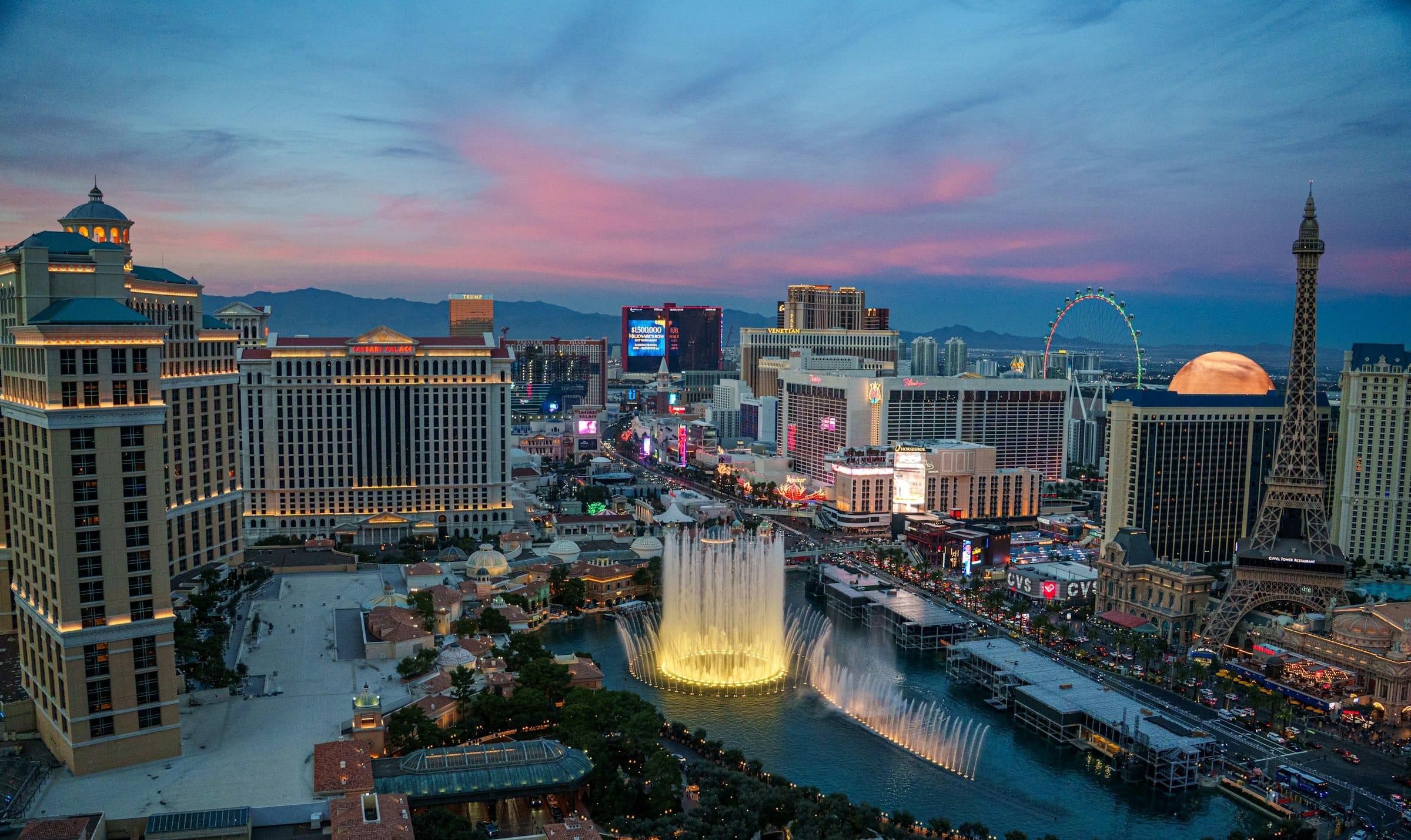
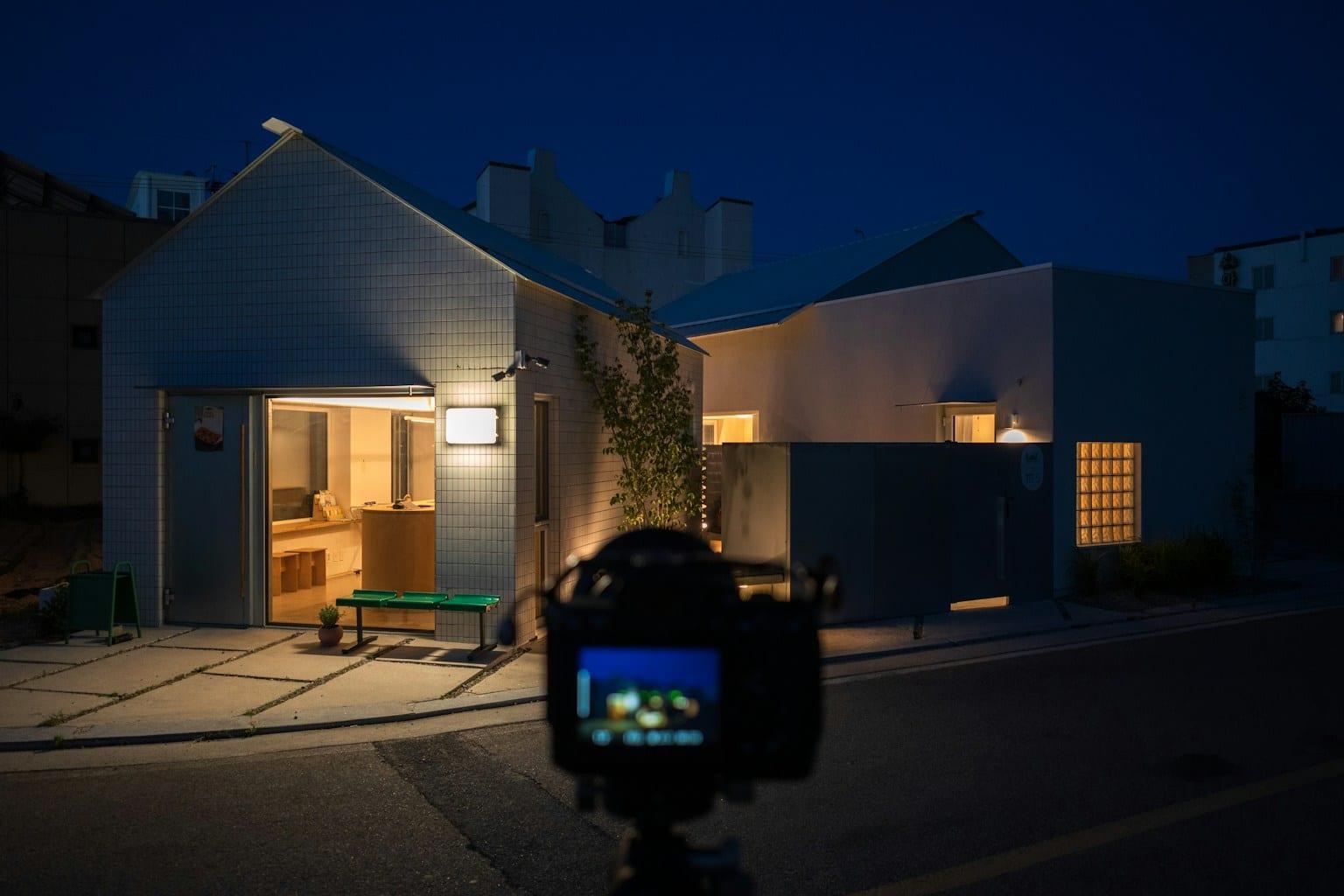
Light in the Las Vegas valley is bright and harsh for much of the day, and it changes a lot depending on which direction your house faces. A good photographer plans around that, shooting the exterior when the sun flatters the front of the house and often adding a twilight shot, when the lit-up windows and glowing pool stand out against the evening sky. Inside, they balance the light so the windows show the view instead of a white glare, which is how a mountain or skyline view ends up in the photo.
If the house faces a direction that is shaded in the morning or washed out at noon, tell your agent. It can change when the shoot is scheduled.
What professional photography brings
A professional real estate photographer works with the right gear, lighting, and editing. The difference you see in the finished images comes down to a few things:
- Wide but natural lenses that show the whole room without bending the walls.
- Balanced exposure, so bright windows and dim corners both look the way the eye sees them.
- Straight lines and careful composition, which make a room feel larger and calmer.
- A planned shot list that covers every important space, including the backyard, the primary suite, and the exterior at its best.
- Consistent editing, so the colors look real rather than yellow or washed out.
Depending on the home, other tools can help buyers decide before they visit. NAR found that buyers' agents considered video (48 percent) and virtual tours (43 percent) important to their clients, and a floor plan can answer layout questions that photos cannot. Aerial photos can show a large lot, the neighborhood, or proximity to a park or golf course. We help you choose the mix that makes sense for your home and price range.
Show the home the way it lives
The best listing photos do more than document rooms. They show how the home works. A kitchen photographed with the morning light, a backyard shot at dusk with the lights on, a living room that flows into a patio, a view from the primary suite: these are the details that make a buyer think, "I could live here." See You're Selling More Than Square Footage.
Order matters too. The first photo is what appears in search results, so it should be the strongest image of the home, usually the front of the house or the room that best represents it. After that, the photos should walk the buyer through the home in the order they would experience it. Include all the main spaces. A missing bathroom or backyard makes buyers suspicious, and buyers who feel they have seen everything are more likely to schedule a visit.
Accurate, not misleading
Good photography makes the home look its best. It does not misrepresent it. Brightening a dark room, correcting color, and straightening lines are normal. Removing a permanent feature, adding a view that is not there, or altering finishes is not.
- Do not edit out permanent features or conditions that a buyer would see in person, such as power lines, a neighboring building, or damage.
- Clearly label virtually staged or digitally altered images so that buyers know what they are seeing.
- Do not use wide-angle tricks that make rooms look much bigger than they are.
This is a matter of both ethics and results. REALTORS are required by the NAR Code of Ethics to present a true picture in their advertising. And a buyer who arrives expecting a bigger or brighter home than the photos suggested starts the showing disappointed and often negotiates accordingly. Photos that are honest and attractive bring the right buyers through the door ready to like what they see.
Make it part of the plan
Photography should be scheduled for when the home is truly ready, because the photos will be used for as long as the home is on the market. Repairs and cleaning come first, then the photos, then the listing goes live. Our Local Resources page also lists a real estate photographer, along with carpet cleaners, painters, landscapers, and other vendors our clients have used. If you want to talk through preparing your home for photography, we are happy to help.
This article is general information, not legal, tax, or financial advice. Laws, rules, and lender guidelines change, so confirm current requirements with your agent, lender, escrow officer, or attorney. The Perna Group is brokered by Lyons Share Real Estate.