
By The Perna Group · · 6 min read
Key takeaways
- Buyers are not only purchasing bedrooms and bathrooms. They are imagining Saturday mornings in the kitchen, friends around the pool, coffee on the patio, and the neighborhood around them.
- Strong marketing helps buyers picture themselves living in the home, using specific, true details rather than generic praise.
- Lifestyle gets the showing, but the facts and the price still decide the offer.
- Describe the home and the area, not the buyer. Fair housing laws limit how a listing can talk about who should live there.
Buyers are not only purchasing bedrooms and bathrooms. They are imagining Saturday mornings in the kitchen. Kids or dogs running around the backyard. Friends around the pool. Working from the home office. Coffee on the patio. The commute. The neighborhood. The lifestyle.
Strong real estate marketing helps buyers picture themselves living there. Sellers often overlook this, because to the people who live in a home it is just where they live. The things that make it special have become routine. The buyer, who is seeing it for the first time, needs to be shown.
Why picturing matters
People make big decisions when they can imagine themselves in the result. The National Association of REALTORS 2025 Profile of Home Staging found that 83 percent of buyers' agents said staging a home made it easier for a buyer to visualize the property as their future home. That is the same idea from the other direction: when a space looks and feels livable, a buyer starts to place themselves in it. When a room is cluttered, dim, or full of someone else's belongings, they struggle to.
Square footage and room counts are how buyers filter and compare. The way a home feels is what makes one of the options on their list the one they want to go see twice.
Find your home's story
Start by asking the people who know the home best. How do you actually use it? Where do you sit in the morning, and where in the evening? What do you love about the street? What do guests always comment on? The answers are often better marketing material than anything a listing template can supply.
In Las Vegas, Henderson, and Summerlin, strong themes are often outdoors:
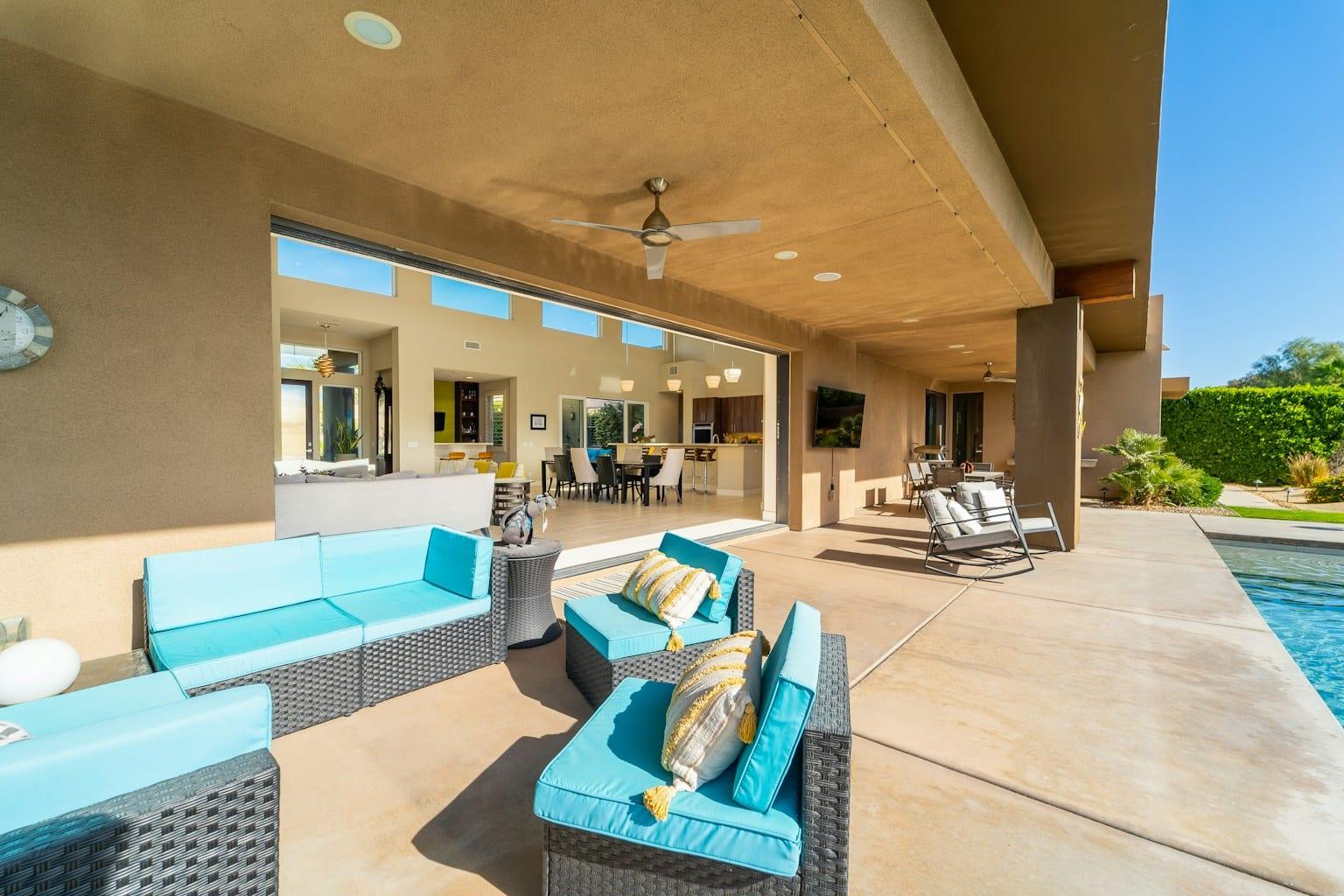
- The backyard and patio. A covered patio with ceiling fans, the pool, the shade, a firepit area, the sunset, and the mountain views if they are really there.
- The kitchen. An island where people gather, a layout that lets the cook stay in the conversation, and morning light.
- Flexible rooms. A spare room that works as a home office, a gym, or a hobby space.
- The primary suite. A retreat with a sitting area, a large closet, or direct access to the backyard.
- Storage and the garage. Room for the cars, the bikes, the tools, and the holiday boxes.
- The neighborhood. Nearby parks and trails, shopping and restaurants, golf, and quick access to freeways. For many buyers, Red Rock Canyon, Lake Mead, and the Strip are part of what it means to live here.
- The practical lifestyle perks. For buyers relocating from another state, Nevada has no state personal income tax, and that can be part of the story.
Name the community, not only the city. Buyers often think in terms of a specific village or neighborhood, so saying where the home sits, and what is close by, helps them place it. Our guides to Summerlin, Henderson, and the wider Las Vegas valley describe what buyers ask about in each area, from Summerlin's villages to Green Valley and Lake Las Vegas in Henderson to Southern Highlands and Mountain's Edge elsewhere in the valley.
Show it, don't only say it
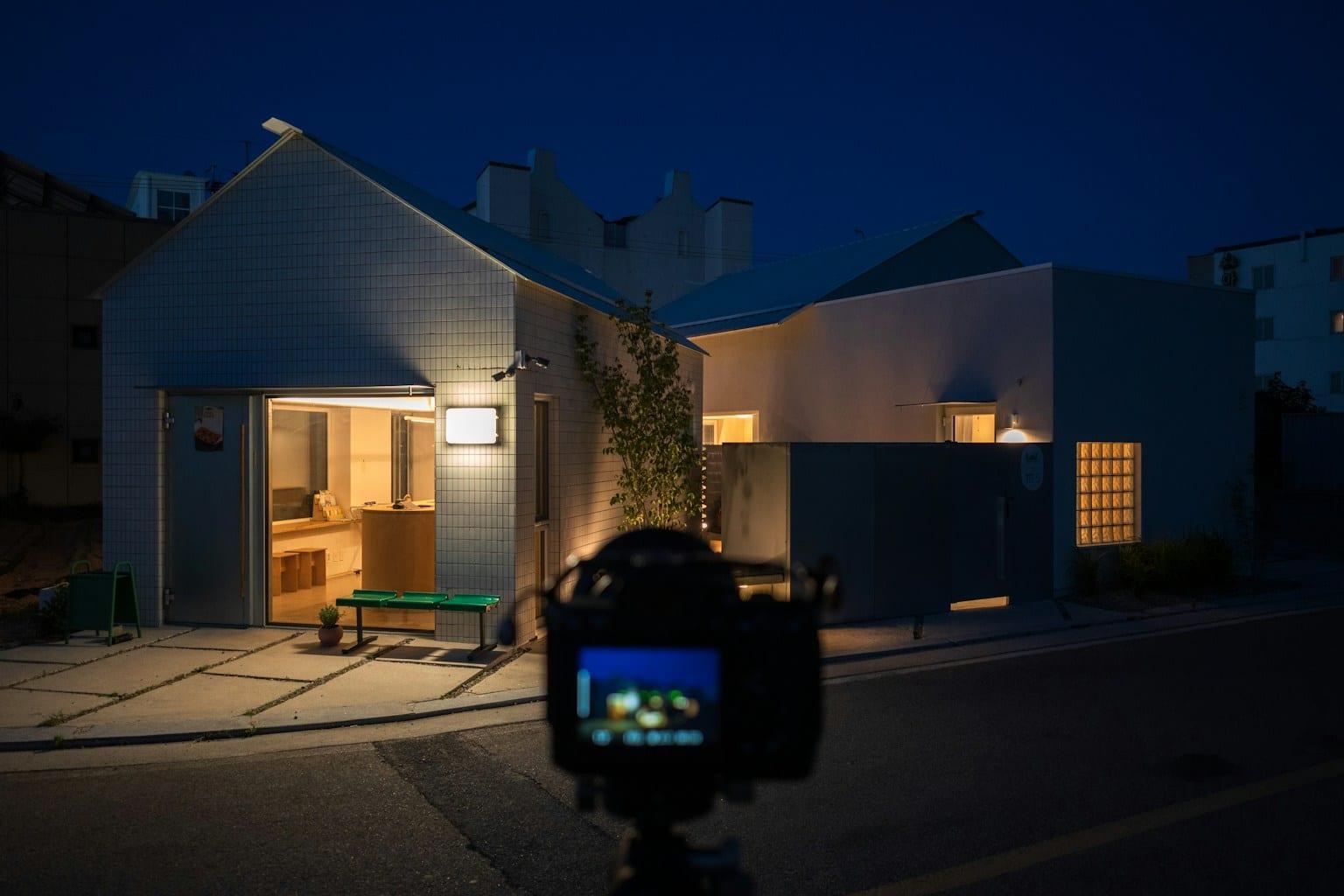
Photos and video are where lifestyle becomes real. A table set on the patio, a lit pool at dusk, a reading chair by a bright window, a staged spare room with a desk: these are small cues that tell a buyer how a space can be used. They are not decoration for its own sake. They answer the question buyers silently ask in every room: what would I do here?
- Define the outdoor spaces. Arrange the furniture into clear zones, such as dining, lounge, and firepit, so the backyard feels like extra rooms.
- Stage the flexible rooms. A spare bedroom with a desk reads as an office. An empty one just reads as an empty room.
- Photograph the views and light. Capture the sunset side of the house, the view from the primary bedroom, and the morning kitchen.
- Depersonalize. Family photos and highly personal décor can get in the way. The aim is to invite the buyer in, not to show them someone else's life.
For more on photography and presentation, see Photos Aren't Just Marketing, They're the First Showing.
Write like you are describing a day
A listing description is a chance to help the buyer picture the home. The best descriptions are specific and true. The weakest are vague and full of superlatives, like "must see" and "amazing," which tell a buyer nothing and are scrolled past.
Good descriptions also give the facts a buyer needs to trust the story: the year the air conditioner and roof were replaced, the size of the lot, whether the solar is owned or leased, and the HOA dues. Lifestyle details earn the showing. Facts and price win the offer.
Sell the home, not the buyer
There is one important caution. Federal fair housing law, and Nevada law in NRS 118.100, prohibit advertising that indicates a preference, limitation, or discrimination because of protected characteristics. In Nevada those include race, religious creed, color, national origin, disability, sexual orientation, gender identity or expression, ancestry, familial status, and sex.
In practice, that means a listing should describe the property and the area, not who should or should not live there. The buyer pictures their own life, whoever they are. Our job is to supply the details.
- Say "four bedrooms, a large fenced yard, and a park two blocks away" rather than "perfect for a growing family."
- Say "a quiet cul-de-sac" only if it is true, and avoid labeling a neighborhood as "exclusive," "safe," or "family-friendly," which can be read as steering.
- Stick to features of the property and neutral amenities such as parks, trails, shopping, and freeway access, and avoid pointing to nearby places of worship as a selling point.
- Avoid references to the kinds of people who live in or near the home.
We help sellers write descriptions that bring the home to life while staying within these rules. If a phrase gives you pause, ask us.
Do not oversell
Marketing helps buyers see the best of a home. It should never claim more than is there. Mention a mountain view only if you can really see the mountains. Say "walking distance" only if the walk is reasonable. Describe the neighborhood in terms a visitor can verify. Check drive times at the hours that matter, for example the morning commute. Buyers who find the home matches the description relax. Buyers who find it does not become cautious about everything else.
Put it together
- List what you love about the home and the neighborhood, and what visitors always notice.
- Prepare the spaces so they are clean, uncluttered, and arranged to show how they can be used. See You Don't Have to Renovate Everything.
- Photograph the story, not only the rooms.
- Write specifically, with true details and the supporting facts.
- Price it against the competition, so the story is attached to a number that makes sense. See Buyers Are Comparing, Not Just Shopping.
If you would like help telling your home's story, we are happy to talk through what makes your home and neighborhood special.
This article is general information, not legal, tax, or financial advice. Laws, rules, and lender guidelines change, so confirm current requirements with your agent, lender, escrow officer, or attorney. The Perna Group is brokered by Lyons Share Real Estate.