
By The Perna Group · · 6 min read
Key takeaways
- Buyers compare your home with the other homes they can buy at the same price, not with an abstract ideal.
- You do not have to beat every competing home in every category, but buyers need to understand why your home makes sense at its price.
- Your real competition is the set of homes a buyer can tour this week, including new construction, not what a neighbor sold for last year.
- Honest pricing against current competition, plus a clear story about what sets your home apart, does most of the work.
Your home does not exist in a vacuum. It is easy for sellers to think of a listing as a conversation between their house and a buyer: does the buyer like it, yes or no. That is not how buyers shop.
If you are listed at $700,000, buyers are not simply asking, "Do I like this house?" They are asking, "Do I like this house more than the other homes I can buy for $700,000?" That distinction matters, because it changes what your home has to do.
How buyers actually compare
Buyers usually start with filters: a price range, a minimum number of bedrooms and bathrooms, and an area. That produces a list of homes that are, on paper, equivalent. From there, they narrow it down by comparing the details. A competing home may have a remodeled kitchen. Another may have a pool. One might have better photos, a larger lot, or a more desirable location.
Most buyers do not use a spreadsheet, but they are doing the math in their heads. They compare:
- Condition and updates: the kitchen, bathrooms, flooring, and the age of the roof and air conditioner.
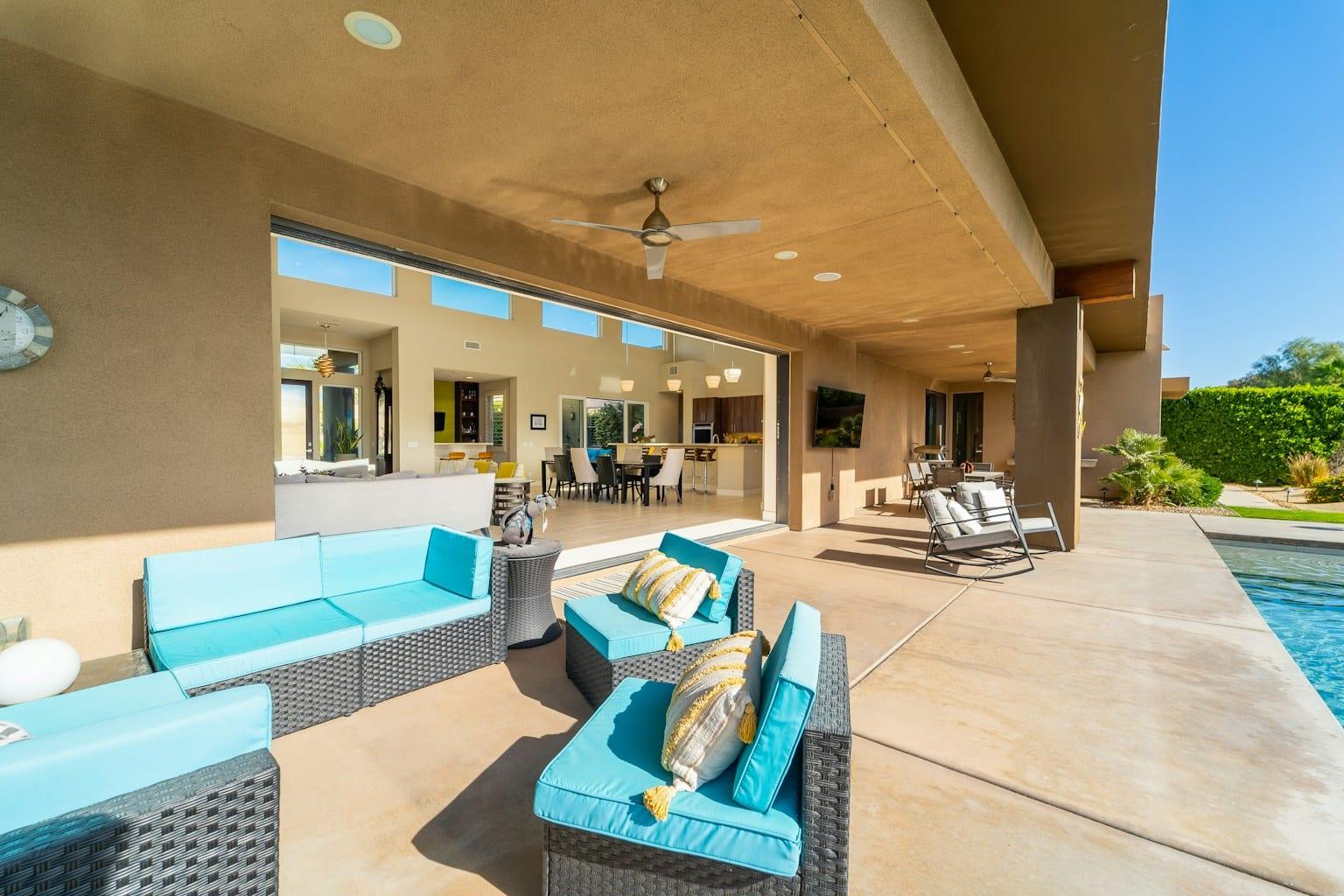
- Outdoor space: the lot, the backyard, the pool, shade, and privacy.
- Layout: the floor plan, the number of bedrooms, and how the rooms flow.
- Location: the street, nearby shopping and parks, freeway access, and the commute.
- Monthly cost, not just price: HOA dues, property taxes, utility costs, pool upkeep, and whether there is a solar loan or lease.
- Presentation: how the home looks in the photos and how it feels in person.
Two homes at the same price rarely win every category. A buyer is choosing which trade-offs they are happiest with.
Who your real competition is
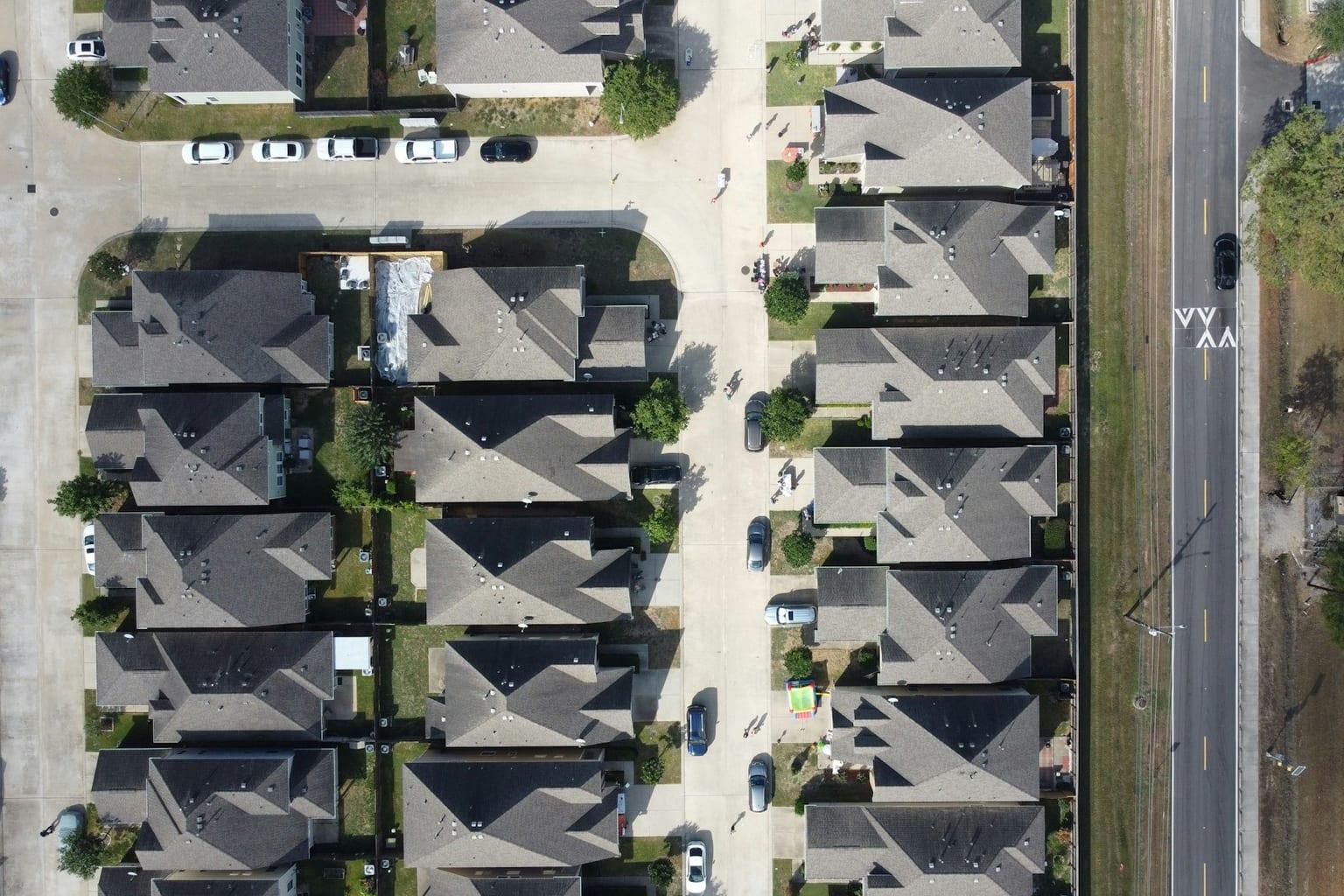
Sellers often compare their home with a sale they heard about, such as a neighbor's house that closed last year or last spring. Those sales matter because they tell us what buyers have paid. But they describe the past. Your competition is the set of homes that a buyer can tour this week, at about the same price, in about the same area.
- Active listings in your price range and area, since these are the homes a buyer can choose instead of yours.
- Pending and recently sold homes, which show what buyers actually said yes to, and at what price.
- Listings that expired, were withdrawn, or keep dropping their price, which show where buyers said no.
- New construction. Builders in the Las Vegas valley often offer incentives such as closing cost help or rate buydowns, which can make a new home a serious alternative to a resale at a similar payment.
The overall market is part of the picture too. Las Vegas REALTORS reported that the median price of an existing single-family home sold in Southern Nevada in September 2026 was $470,000, the same as a year earlier and below the record $490,000 reached in May and June, and that 7,995 single-family homes were listed without an offer at the end of the month, up 6.6 percent from a year earlier. Those are valleywide numbers. A particular neighborhood, price band, or style of home can behave quite differently, which is why the comparison needs to be made home by home.
Look at your home the way a buyer would
The most useful thing a seller can do is look at the competition through a buyer's eyes. We recommend touring or at least carefully reviewing several homes that a buyer could choose instead of yours, then asking:
- What does each competing home offer at its price that mine does not?
- What does mine offer that they do not?
- If a buyer had $700,000 (or whatever your price is) and could only choose one, what would make them choose mine?
- How do the photos compare? Which home looks best on a phone screen?
- Is any competitor priced lower with similar features, or higher because of something I am missing?
This exercise can be uncomfortable, because it asks you to see your own home as one option among many. It is also one of the most effective ways to price and prepare well.
You do not have to win every category
Here is the encouraging part. You do not necessarily have to beat every competing property in every category. A home without a pool can win on a bigger lot. A home that needs cosmetic updates can win on a better location or a lower price. A home with an older kitchen can win because the roof, air conditioner, and water heater were recently replaced.
What matters is that buyers understand why your home makes sense at its price. That is a marketing job, and it has two parts: knowing your home's genuine strengths, and putting them where buyers will see them.
- Put the strongest feature in the first photos and the first line of the description.
- Back up your claims with specifics: the year the air conditioner was replaced, the lot size, the dues, the view.
- Be upfront about trade-offs. A home that is honest about what it is, and priced for it, tends to be taken more seriously than one that hopes a buyer will not notice.
Price is part of the comparison
Pricing is the clearest way to tell a buyer how your home compares. It is also where sellers are most tempted to guess. A common instinct is to list high and leave room to negotiate. The trouble is that buyers compare before they ever negotiate. If your home is priced above comparable homes without a visible reason, buyers take the others on their tour and skip yours, and there is nobody to negotiate with.
Buyers also tend to search in round-number brackets. A home priced just above a common limit can fall out of the searches of buyers whose budget would otherwise fit, which is why a few thousand dollars can change who sees your listing. We look at those thresholds with you when we set the price.
A comparative market analysis, based on current competition and recent sales, is the starting point. It is not a promise of a specific sale price. It is the best evidence of what buyers are doing right now, and it should be updated as the market moves.
Be ready for the cost-of-ownership questions
Informed buyers look beyond the list price. They ask what the home will cost each month and what could surprise them later. In Southern Nevada, that often means HOA dues and rules, special assessments, whether solar panels are owned or leased, and pool maintenance. Our buyer articles encourage them to ask exactly these questions: see Check the HOA Before You Commit and Understand the Solar Before Buying the House.
Having the answers ready, such as the HOA documents, the solar agreement, and recent utility bills, makes your home easier to compare and easier to trust.
What the first two weeks tell you
Once the home is live, the market starts giving feedback. Pay attention to the pattern:
- Lots of online views but few showings: the photos, price, or first impression may not match what buyers expect at that price.
- Showings but no offers: buyers may be comparing your home with another one they liked more, on condition or price.
- Offers well below the list price: buyers may feel the home is priced above its competition.
None of these patterns is a verdict on your home. They are information, and the sooner you act on it, the more options you keep. If you would like help comparing your home with its real competition, we are happy to help.
This article is general information, not legal, tax, or financial advice. Laws, rules, and lender guidelines change, so confirm current requirements with your agent, lender, escrow officer, or attorney. The Perna Group is brokered by Lyons Share Real Estate.