
By The Perna Group · · 6 min read
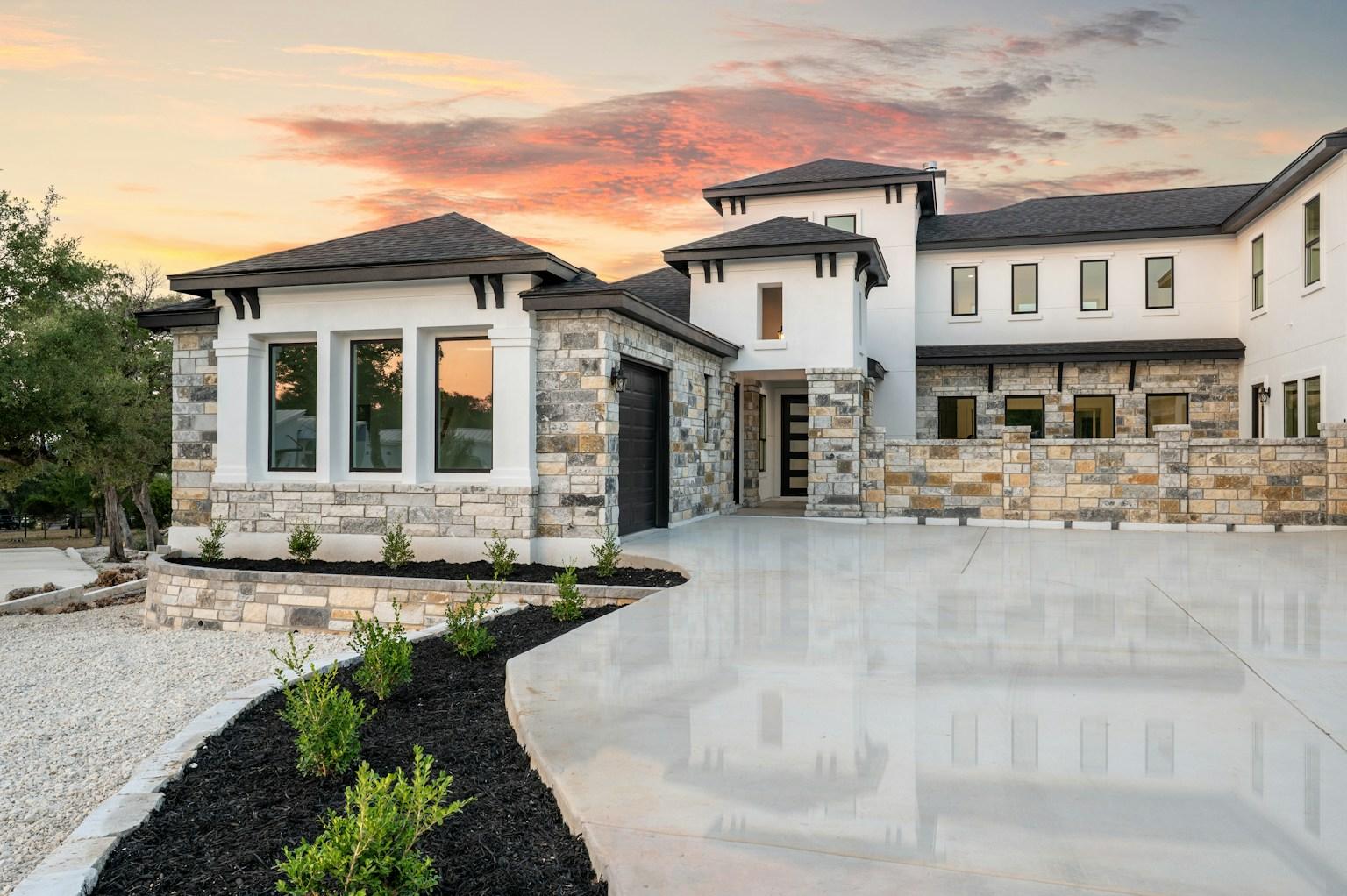
Why luxury homes need a different approach
At the high end there are fewer comparable sales, buyers are more particular, and small differences in condition, view, lot, and finishes can move the price significantly. Pricing from a neighborhood average does not work.
We build the price from the closest true comparables, explain where your home is stronger or weaker than they are, and plan the marketing around the specific buyer who is most likely to want it.
There is no official line that makes a home a luxury home, and what counts depends on the neighborhood. In some communities it is a price point, and in others it is a combination of a guard gate, a golf course, a view, a custom design, or a large lot. We focus less on the label and more on what sets a particular property apart and who values it.
Pricing a home with few comparables
When a neighborhood has only a handful of sales a year, the most recent sale may be months old, or may not resemble your home at all. We look at closed sales, homes currently on the market, and homes that sat or expired, and we adjust carefully for lot, view, square footage, quality of finishes, and condition. We also pay attention to how the market has moved since each comparable sold.
We explain our reasoning step by step so the price is one you understand and agree with. For more on how buyers weigh homes against each other, read Buyers Are Comparing, Not Just Shopping. For the difference between an agent's estimate and a lender's appraisal, see our home value estimate page.
Appraisals are harder at this level, too. An appraiser needs comparable sales to support the contract price, and when there are few, the number can come in below what a buyer agreed to pay. We plan for that in our pricing advice and in how we negotiate.
What we handle
Luxury transactions have more moving parts. We coordinate:
- Professional photography, video, and presentation that match the quality of the home
- Privacy and showing arrangements for gated and private properties
- Review of HOA and architectural rules, pools, solar, and custom features
- Appraisal and financing questions that come with higher price points
- Negotiation on price, terms, repairs, and timing
- Coordination with your lender, escrow officer, inspectors, and advisors
Presentation and marketing
High-end buyers often start their search online and judge a home by the first few photos. The images, the written description, and the way the property is shown should reflect the home's quality. Our article Photos Are the First Showing explains why preparation before the photographer arrives makes such a difference.
We also talk with you about how widely to market the home and to whom. Some owners want maximum exposure, and others prefer a quieter approach. We discuss the options and what each could mean for your goals and timeline. In gated communities we also plan how showings are arranged, since access works differently from a standard neighborhood.
Luxury communities in the valley
Debra works in guard-gated, golf, hillside, and lakefront communities in Summerlin and Henderson, including areas like The Ridges, The Summit, Red Rock Country Club, MacDonald Highlands, and Lake Las Vegas, along with custom and distinctive homes elsewhere in the valley. Our neighborhood guides cover several of them in detail. A few of the facts we have researched from public sources:
- The Ridges: a 793-acre guard-gated village in southwest Summerlin beside Red Rock Canyon, with custom, semi-custom, and upscale production homes and the Bear's Best Las Vegas golf course
- Red Rock Country Club: a 738-acre guard-gated community of about 1,000 single-family homes with two Arnold Palmer-designed golf courses
- MacDonald Highlands: a community of about 1,320 acres in west Henderson with two 24-hour guard-gated entries and DragonRidge Country Club
- Lake Las Vegas: lakeside resort living around a 320-acre privately owned reservoir with about 10 miles of shoreline
- Southern Highlands: a master plan of about 2,299 acres in the southern valley, with a private golf club and a 24-hour private security patrol
If you are buying a luxury home
Luxury buyers face their own questions: guard-gate access and who maintains the roads, the architectural review process for changes, golf or club membership rules, the cost of maintaining a large home with a pool and landscaping, and how a property will resell. We help you evaluate those items before you commit, review the HOA documents with you, and negotiate on your behalf.
Many luxury communities are common-interest communities, so the Nevada resale package rules apply: the seller provides the package at the seller's expense, and you generally have until midnight of the fifth calendar day after receiving it to cancel in writing. Read the rules and the reserve information carefully, since gates, private roads, and amenities can carry significant costs. Our article Check the HOA Before You Commit shows what to look for.
Memberships work differently from community to community. In some places club membership is separate from the home and has its own cost and rules, and in others the amenities come with the property. We ask for the details in writing for every address.
Financing at higher price points
Higher price points change the financing picture. Loans that Fannie Mae and Freddie Mac buy must fit under the conforming loan limit, which the Federal Housing Finance Agency sets each year. For 2026 the baseline limit for a one-unit home is $832,750. Loans above the limit that applies where you are buying are called jumbo loans, and they can come with different down payment, reserve, and appraisal requirements. Cash buyers skip those requirements, and a cash offer can be attractive to a seller.
We encourage luxury buyers to talk with a lender early and, if you are considering a jumbo loan, to compare more than one. Our Local Resources page lists loan officers our clients have worked with.
Taxes and costs to understand
Nevada does not levy a state personal income tax, and the combined sales tax rate in Clark County is 8.375 percent. The real property transfer tax is $2.55 per $500 of value, so on a $1.5 million sale it is $7,650, collected by the Clark County Recorder when the deed is recorded. By long-standing local custom the seller usually pays it, but the contract controls.
Property tax details matter at this level. The Clark County Assessor limits the yearly increase in the tax bill to 3 percent on an owner's primary residence, and up to 8 percent on residences that are not owner-occupied, such as a second home. New construction does not receive a cap in its first fiscal year. If you sell a home you have lived in as your main home, the IRS lets you exclude up to $250,000 of gain, or $500,000 on a joint return, if you meet the ownership and use tests, and gains above the limit can be taxable. We are not tax advisors, so we encourage you to work with a tax professional and an attorney on how a purchase or sale fits your plans.
Pools, landscaping, and the desert
Large lots, pools, and landscaping are part of what makes many luxury homes appealing, and in southern Nevada they come with rules. The Southern Nevada Water Authority supports a 600-square-foot surface area limit on new residential pools, which local jurisdictions have adopted, and mandatory seasonal watering schedules apply across the valley. Existing pools are not affected by the new-pool limit. Our Las Vegas guide explains the valley's water rules.
We also look at the things desert homes need: the age of the air conditioning system and roof, pool equipment, solar, and window quality. Larger homes have more systems to inspect, so we recommend thorough inspections. Never Skip the Home Inspection covers what inspectors check.
Sources and further reading
- Federal Housing Finance Agency: 2026 conforming loan limits
- Clark County Recorder: real property transfer tax
- Clark County Assessor: tax abatement (tax cap)
- Nevada Department of Taxation: Clark County sales tax rate sheet
- Southern Nevada Water Authority: laws and ordinances (pool size limit)
- Nevada Revised Statutes, Chapter 116 (common-interest communities)
- IRS: Topic no. 701, Sale of your home
This article is general information, not legal, tax, or financial advice. Laws, rules, and lender guidelines change, so confirm current requirements with your agent, lender, escrow officer, or attorney. The Perna Group is brokered by Lyons Share Real Estate.